The Cowboys Haven’t Won a Super Bowl in 30 Years…Yet They’re the NFL’s $17 Billion Team
The Dallas Cowboys have not appeared in a Super Bowl since the 1995 NFL season.
Their most recent championship came before Netflix, Google, and the iPhone existed. Some current NFL players were not even born the last time Dallas lifted the Lombardi Trophy.
Yet in one important contest, the Cowboys continue to destroy the rest of the league.
Dallas is now worth an estimated $17 billion, making it the NFL’s most valuable franchise for the 20th consecutive year.
The Cowboys’ value increased by approximately 31% in only one year. That is an extraordinary rise for a team whose recent postseason history is better known for frustration than trophies.
It also raises an obvious question: How can a team go three decades without reaching the Super Bowl and still become the most valuable sports franchise on the planet?
The Cowboys Are Bigger Than Their Results
NFL teams normally build their strongest identities through winning. Championships create famous players, national attention, and generations of loyal supporters.
The Cowboys certainly benefited from that formula in the past.
Dallas won five Super Bowls between the 1971 and 1995 seasons. Roger Staubach helped establish the franchise nationally before Troy Aikman, Emmitt Smith and Michael Irvin led the Cowboys’ dynasty of the 1990s.
But the championships stopped—and the business continued growing.
The Cowboys remained on national television. Their games continued attracting enormous audiences. Fans kept buying merchandise, attending games, and debating every decision made by owner Jerry Jones.
Dallas did not need to be the NFL’s best team every season. It only needed to remain the team that everybody wanted to discuss.
Supporters watched because they loved the Cowboys. Rival fans watched because they wanted Dallas to lose.
From a business perspective, both groups counted.
From $140 Million to $17 Billion
Jerry Jones purchased the Cowboys for approximately $140 million in 1989.
At the time, the organization was reportedly losing money, and its famous stadium regularly contained thousands of empty seats. Jones took an enormous financial risk and immediately began rebuilding both the football operation and the commercial side of the franchise.
That $140 million investment would now be valued at roughly 121 times its original purchase price.
According to Forbes’ 2026 NFL valuations, the Cowboys generated approximately $1.3 billion in annual revenue and $677 million in operating income.
For perspective, the team’s estimated yearly operating income is now almost five times what Jones paid for the entire franchise in 1989.
The Cowboys also earned around $140 million in gate receipts alone—approximately matching their original purchase price.
AT&T Stadium Is More Than a Football Field
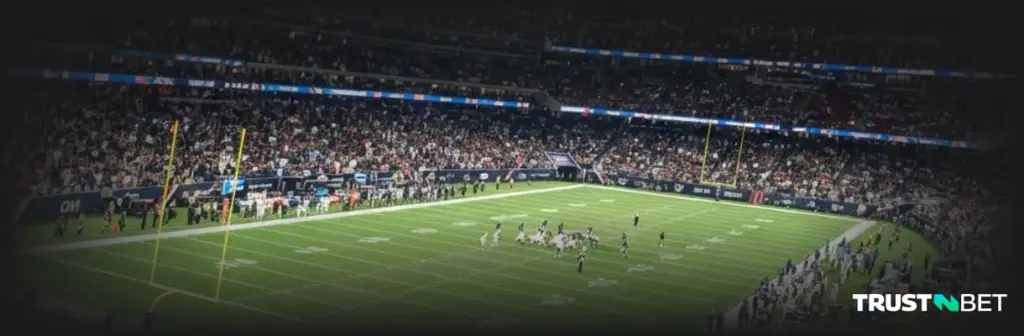
The opening of AT&T Stadium in 2009 gave Dallas another major financial advantage.
The enormous venue can accommodate roughly 100,000 spectators when standing-room areas are included. It hosts Cowboys games, college football, soccer, boxing, concerts, and other major entertainment events.
That schedule allows the building to produce income even when the Cowboys are not playing.
The stadium itself has also become an attraction. Its giant video board, retractable roof, and enormous interior helped redefine what fans expected from a modern NFL venue.
Dallas was no longer selling only football tickets. It was selling access to a spectacle.
That approach has since influenced stadium development across American sports, with teams increasingly designing venues as year-round entertainment districts rather than buildings used only on game days.
“America’s Team” Never Leaves the Conversation
The Cowboys’ greatest commercial strength may be their ability to remain relevant.
Almost every major Dallas decision becomes national NFL news. A contract negotiation, coaching change or disappointing playoff loss can dominate sports television for days.
That level of attention is valuable.
Sponsors want visibility. Television networks want audiences. Merchandise companies want recognizable brands. The Cowboys provide all three, regardless of whether their season ends with a championship.
Their supporters are spread across the United States rather than concentrated only in Texas. Decades of nationally televised games helped turn the Cowboys into a team that could attract fans in states located hundreds of miles from Dallas.
The “America’s Team” nickname may irritate rival supporters, but irritation has never prevented people from watching.
The Rest of the NFL Is Getting Richer Too
Dallas is not alone in benefiting from the NFL’s remarkable financial growth.
The average NFL franchise is now estimated to be worth approximately $9.5 billion. The Los Angeles Rams rank second at $13.5 billion, followed by the New York Giants at $12 billion.
Even the Cincinnati Bengals, ranked last in the 2026 valuations, are estimated to be worth $8 billion.
That means the NFL’s least valuable franchise is still worth more than many of the world’s most famous sports organizations.
Dallas, however, remains in a financial category of its own.
Winning Still Matters—But Attention Pays Too
A $17 billion valuation will not satisfy Cowboys fans who want another Super Bowl. Supporters do not celebrate operating income after a playoff elimination, and financial rankings cannot replace a championship parade.
But the Cowboys’ rise explains something important about modern professional sports.
Winning creates attention, but a powerful brand can keep that attention long after the trophies stop arriving.
Dallas has gone 30 years without returning to the Super Bowl. Over that same period, the Cowboys have transformed from a famous football team into a global entertainment business.
The championship drought continues. So does the money.
