Zack Gelof Hit an Unpadded Fence. Now the Tigers Face a Bigger Problem
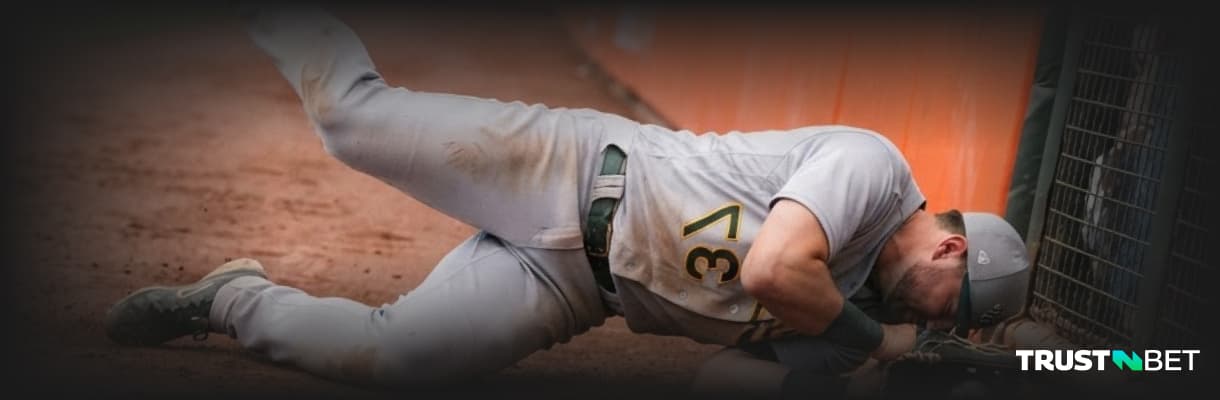
A foul ball sent Zack Gelof toward the edge of the field. What happened next could force Major League Baseball teams to reconsider where the playing surface ends and an avoidable hazard begins.
The Athletics utility player is suing the Detroit Tigers, their ownership company, and the public authority that owns Comerica Park after suffering a deep cut beneath his right kneecap during a July 9 game in Detroit.
Gelof was injured while sliding to complete a catch in foul territory. According to his complaint, his knee struck an exposed section of metal fencing positioned beside the playing area.
He missed a month of the MLB season.
Now a court may have to answer a deceptively difficult question: How safe must a professional baseball field be for players who are paid to chase balls into dangerous spaces?
Key Takeaways
- Zack Gelof was injured at Comerica Park on July 9, 2026.
- His complaint says his knee struck exposed metal fencing.
- The cut reportedly narrowly missed his patellar tendon.
- Gelof did not return to the Athletics until August 10.
- The Tigers, Ilitch Holdings and the stadium authority are named as defendants.
- Padding was reportedly installed near the accident site afterward.
- Gelof is seeking unspecified damages.
- The allegations have not been decided in court.
How the Injury Happened
Gelof was playing left field during the third inning of the Athletics’ 4-1 loss to Detroit.
When a foul ball dropped near the side wall, he slid to make the catch. His momentum carried him toward a section of metal fencing running alongside the field.
The collision tore Gelof’s uniform and opened a deep wound beneath his right kneecap. The injury reportedly came close to damaging the patellar tendon, which plays an essential role in straightening the knee and producing explosive movement.
Gelof left the game and was placed on the injured list the following day. He began a rehabilitation assignment in early August and returned to the Athletics on August 10.
According to an Associated Press report on the lawsuit, Gelof’s complaint alleges that the exposed fence was sharp, rigid, and inadequately protected.
Why Gelof Is Suing Three Organizations
The Detroit Tigers are not the only defendant.
The lawsuit also names Ilitch Holdings, the organization connected to the team’s ownership, and the Detroit-Wayne County Stadium Authority, which owns Comerica Park.
That combination reflects an important complication in modern professional sports: the team using a stadium does not always own the building.
Ballparks can involve teams, ownership groups, government authorities, operating companies, and outside contractors. One organization may own the property while another controls game-day operations or maintains the field.
Gelof’s legal team will likely need to establish which defendants were responsible for inspecting, maintaining, or padding the section of fencing involved in his injury.
Simply proving that an accident occurred may not be enough. His case will depend partly on whether the danger was foreseeable and whether those responsible for the venue took reasonable steps to prevent it.
Isn’t Getting Hurt Part of Baseball?
Professional athletes accept risks that would be unreasonable in most workplaces.
Outfielders collide with walls. Infielders are struck by hard ground balls. Pitchers face line drives traveling at frightening speeds. Players slide, dive, and crash while trying to complete plays.
Those dangers are inherent to baseball.
An exposed piece of metal may be different.
Gelof’s argument is not that the Tigers should have prevented him from sliding or eliminated every possibility of injury. The central claim is that an unnecessary hazard existed beside an area where players could reasonably be expected to run or slide.
That distinction could become crucial.
A player may accept the ordinary possibility of colliding with a properly constructed wall. That does not automatically mean he accepts every risk created by allegedly inadequate padding or unsafe stadium equipment.
The Padding Could Become Important
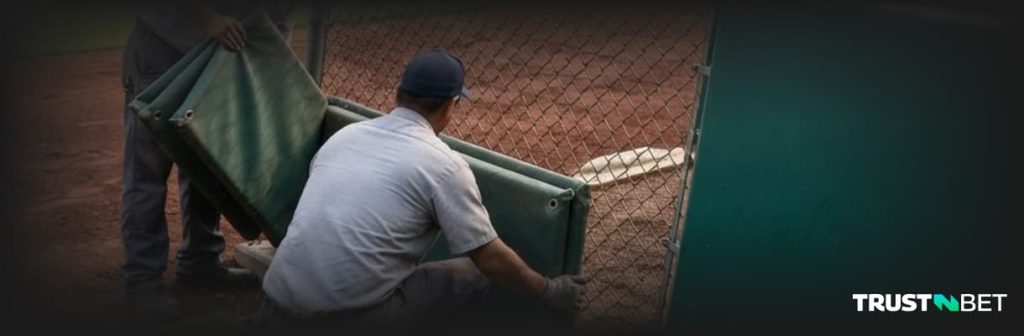
One detail will attract particular attention: padding was reportedly added to the area after Gelof was injured.
From a practical perspective, that change supports the argument that the fence could be made safer without an expensive renovation. Gelof’s attorneys contend that a basic protective covering might have prevented the injury.
However, the existence of a later repair does not automatically establish legal responsibility. Courts often treat post-accident safety improvements carefully because organizations should be encouraged to correct possible hazards without assuming that every repair amounts to an admission of fault.
The lawsuit will still have to address what the defendants knew before July 9, whether the fence presented an unreasonable danger, and who had the authority to correct it.
How Much Money Could Be Involved?
Gelof is seeking compensation for medical expenses, pain and suffering, emotional distress, lost wages, attorney fees and other alleged losses. No specific damages figure was announced.
Calculating financial harm for a professional athlete can be complicated.
Gelof missed approximately one month, but the possible effect extends beyond the games themselves. Every lost appearance can influence playing time, statistics, contract negotiations and future roster decisions.
The 26-year-old eventually returned and completed the season with a .256 batting average, 22 home runs and 55 RBIs in 111 games. Both his home-run and RBI totals were career highs.
His productive return may help the defense argue that the injury did not permanently damage his career. Gelof’s attorneys can respond that returning successfully does not erase the pain, medical treatment or lost opportunities caused by the month he missed.
Baseball Has Seen This Argument Before
Gelof’s case is not the first involving a visiting player and allegedly unsafe equipment in an opposing stadium.
Former MLB player Darin Ruf sued the Cincinnati Reds after colliding with an unpadded metal tarp roller at Great American Ball Park in 2023. Ruf suffered a fractured kneecap and said the injury contributed to the end of his playing career.
The similarities are difficult to ignore.
Both cases involve a player pursuing a foul ball, metal equipment positioned close to the playing area, and an allegation that relatively inexpensive padding could have reduced the danger.
Together, the lawsuits raise a larger concern for MLB: Are teams doing enough to inspect the less noticeable areas surrounding the field?
From stadium-safety controversies and player lawsuits to record-breaking performances and the stories unfolding beyond the field, follow the latest sports news from across the USA.
This Is Bigger Than One Fence
MLB ballparks are celebrated for being different.
Outfield dimensions vary. Walls have different heights. Foul territory can be spacious in one stadium and narrow in another. Those variations are part of baseball’s identity.
Safety standards should be less flexible.
Players move at full speed while tracking a ball overhead, often with no time to see what awaits beyond the foul line. A small exposed edge that seems harmless during an inspection can become dangerous when contacted by a sliding athlete.
The Tigers have said they are aware of the lawsuit but will not comment while the litigation is pending. The defendants will have an opportunity to respond, and Gelof’s allegations remain unproven.
Whatever happens in court, the incident offers MLB teams a simple warning.
The next serious injury may not come from a 100-mph pitch or a violent collision between players. It could come from an overlooked piece of stadium infrastructure—and a strip of padding that arrived one day too late.
