FIFA Says It’s About Hydration. Critics Think It’s About Something Else.
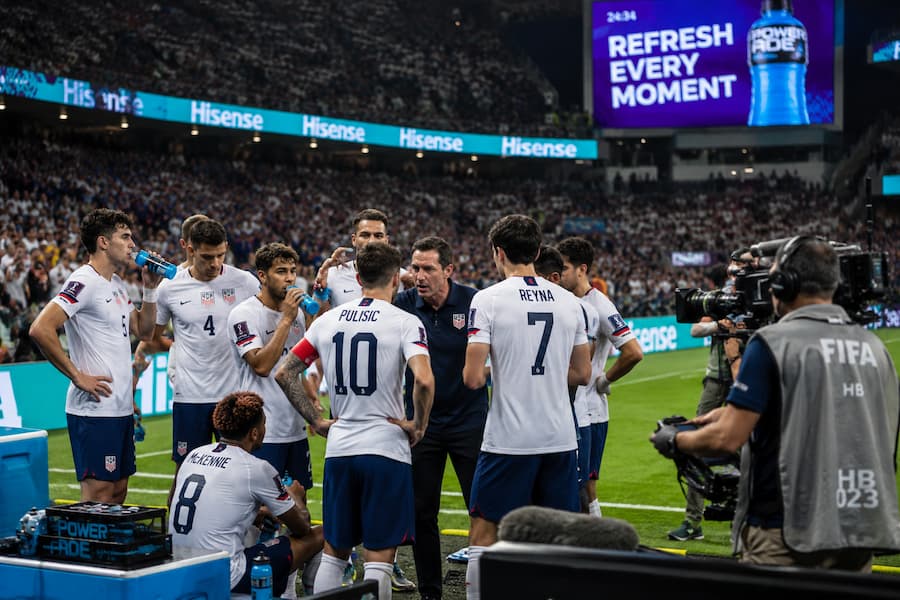
If you’ve watched the 2026 FIFA World Cup, you’ve probably noticed the same thing. Just when a match starts building intensity, the referee blows the whistle, players head to the sidelines, coaches gather their teams, and television broadcasts suddenly cut to commercials. A few minutes later, play resumes.
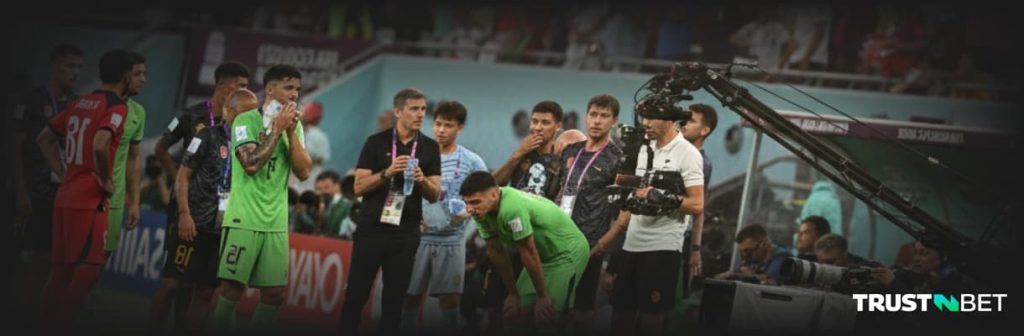
Officially, these mandatory hydration breaks are about player safety. But as the tournament progresses, many fans are beginning to ask a different question: Why are hydration breaks happening in every match—even in cooler conditions and inside stadiums where heat isn’t a major concern?
The answer may explain one of the biggest off-field stories of this World Cup.
Key Takeaways: FIFA’s $250M Hydration Break Debate
- FIFA’s mandatory hydration breaks have become one of the most debated changes at the 2026 World Cup.
- Broadcasters could generate an estimated $250 million in new advertising revenue from the stoppages.
- Fans and analysts argue the breaks are changing the rhythm and flow of matches.
- The financial success of the breaks could make them a permanent feature of future World Cups.
The World Cup Change Everyone Is Talking About
Hydration breaks aren’t new. FIFA first introduced them during the 2014 World Cup in Brazil, where concerns over extreme temperatures led officials to allow brief stoppages for players to cool down and rehydrate. Back then, the brakes were only used under specific heat conditions. They remained relatively rare during the tournaments in Brazil, Russia, and Qatar.
This year is different. For the first time, FIFA made hydration breaks mandatory across all 104 matches of the expanded World Cup, regardless of weather conditions. The organization says the decision ensures consistency and protects players throughout the tournament.
Yet that explanation hasn’t stopped the criticism. Because while players are drinking water, broadcasters are doing something else. They’re selling commercials.
A Three-Minute Break Worth Millions
For decades, soccer has been one of the few major sports where fans could enjoy long stretches of uninterrupted action. Unlike football, basketball, or baseball, there were no scheduled television timeouts built into the game.
That made soccer unique. It also limited the number of advertising opportunities available to broadcasters. Hydration breaks changed that overnight.
Reports indicate broadcasters are charging hundreds of thousands of dollars for 30-second advertisements during these stoppages. For high-profile matches involving the U.S. Men’s National Team, rates have reportedly climbed as high as $750,000 per commercial.
When those numbers are multiplied across 104 matches, the revenue potential becomes enormous. Industry estimates suggest hydration-break advertising could generate roughly $250 million during this year’s tournament alone.
To put that into perspective, that figure represents more than half of the reported amount Fox paid for U.S. broadcasting rights to the World Cup. Suddenly, those three-minute breaks look like much more than a player-safety measure.
Fans Believe Soccer Is Starting To Feel Different
The money is grabbing headlines. The effect on the game itself is creating even stronger reactions. Soccer has always been a sport built on momentum. A team can spend 15 or 20 minutes dominating possession, building pressure, and wearing down its opponent without interruption.
Hydration breaks the pause, all of that. Coaches can regroup players. Tactical adjustments can be made. Momentum can disappear. For traditional fans, that’s a major shift.
Some supporters have even compared the stoppages to timeouts in American sports, arguing that FIFA has effectively introduced a new break in a game that has spent more than a century resisting them. Whether that’s fair or not, it’s becoming harder to ignore how much influence these pauses can have on matches.
The Debate Goes Beyond Water
To be clear, very few people oppose player safety. Extreme heat has become an increasing concern across sports, and ensuring athletes have opportunities to cool down is a reasonable objective.
The controversy comes from the fact that many matches receiving hydration breaks wouldn’t have qualified for them under FIFA’s previous standards.
Historically, breaks were tied to specific heat thresholds. Now they’re automatic. That distinction has fueled skepticism among fans who believe commercial interests may be playing a larger role than FIFA is willing to admit.
The timing certainly raises eyebrows. Just months before the tournament, FIFA reportedly approved commercial advertising during hydration breaks, giving broadcasters access to valuable new inventory during live matches. What was once a rare health precaution suddenly became one of the most profitable opportunities in sports television.
Why The Breaks Could Be Here To Stay

History suggests one thing. New revenue streams rarely disappear. The 2026 World Cup is already on pace to become one of the most commercially successful tournaments ever staged. Broadcasters are enjoying record audiences, advertisers are paying premium rates, and the additional inventory created by hydration breaks has become incredibly valuable.
That reality could have long-term consequences. If broadcasters continue earning hundreds of millions of dollars from these stoppages, future media rights deals may begin factoring that value into negotiations.
And once that happens, removing the brakes becomes much more difficult. The real test may come in future tournaments. If hydration breaks remain mandatory during matches played in cooler climates or inside air-conditioned venues, critics will almost certainly point to one conclusion. The breaks were never just about hydration.
The Bigger Story Behind The World Cup
Every World Cup leaves a lasting legacy. Sometimes it’s a legendary goal. Sometimes it’s a breakthrough star. Sometimes it’s a rule change that reshapes the sport. The 2026 tournament may ultimately be remembered for introducing something soccer never truly had before: a built-in commercial break.
FIFA insists the policy exists to protect players. That may be true. But with an estimated $250 million potentially tied to those stoppages, many fans believe there’s another reason these breaks aren’t going anywhere. And if they’re right, soccer may never look quite the same again.
The sports world never stops moving. Catch the latest headlines, biggest controversies, and must-read stories in our Sports News USA center.
