The NBA Is Putting a Microchip Inside the Basketball. What Could It Actually Know?
The NBA has experimented with cameras above the court, sensors around the arena, and enough statistics to measure almost every movement a player makes.
Now the league wants to collect information from somewhere new: inside the basketball.
A Wilson basketball containing a tiny Bluetooth sensor has been tested during selected NBA preseason games. The technology is currently being used only for research, but Commissioner Adam Silver has suggested that a chip-equipped ball could assist with officiating as soon as 2027.
The ball would still bounce, spin, and feel like the one NBA players already use. The difference is that it could record its own movement and potentially tell officials things the human eye missed.
From smarter equipment to game-changing innovations, discover the stories transforming competition in our latest U.S. sports news coverage.
Key Takeaways
- The NBA is testing a Wilson basketball containing a small Bluetooth sensor.
- Current preseason tests are for research and do not influence calls.
- Future versions could measure the ball’s movement, spin, and trajectory.
- The technology could help determine whether a player touched the ball.
- Adam Silver has suggested officiating use could begin as early as 2027.
- The basketball may be easier to track than the players wearing no sensors.
How Does the NBA Smart Basketball Work?
The experimental Wilson ball contains a Bluetooth sensor reportedly weighing around one gram. An official NBA basketball weighs approximately 22 ounces, or about 620 grams, meaning the sensor represents only a tiny fraction of its total weight.
That is important because NBA players can detect incredibly small differences in equipment.
A ball that feels slightly heavier, bounces differently, or leaves a shooter’s hand unevenly would face immediate resistance. The challenge is not simply getting a sensor into the basketball. It is doing so without changing the basketball.
Silver said the league has compared chipped and conventional balls during testing, with players unable to identify which version contained the sensor.
That may be the technology’s most important early victory. A smart basketball is useless if players believe it behaves differently from a normal one.
What Information Could the Ball Collect?
The sensor could track the basketball’s movement, spin, and changes in trajectory.
That opens the door to an entirely new layer of basketball data.
A traditional box score can tell us that a player made seven of 12 shots. A connected ball could potentially reveal how quickly those shots were released, the angle at which they traveled, how much they rotated, and whether a defender altered their flight.
Over time, the system could identify the types of spin and trajectory most commonly associated with successful shots.
Instead of merely knowing where a player shot from, analysts could examine how the basketball traveled from his hand to the rim.
The ball would effectively create its own flight report.
Could a Microchip Help NBA Officials?
Officiating may be the technology’s most practical early use.
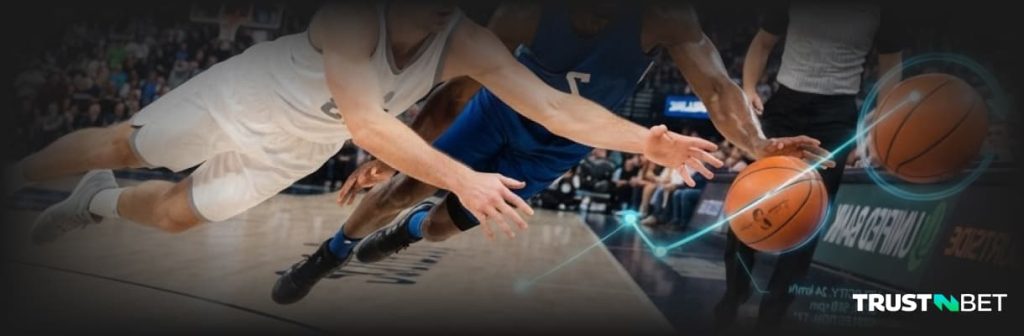
Consider a familiar late-game situation: the ball flies out of bounds after two players reach for it. Television replays show multiple angles, but none clearly reveals whose fingertip touched it last.
A sensor capable of detecting a subtle change in spin or trajectory could provide another piece of evidence.
The technology might not automatically make the decision. Instead, its data could be combined with replay footage to help officials reach a more accurate ruling.
It could also assist with questions about whether a shot was deflected, whether the ball changed direction after contact or precisely when it left a shooter’s hand.
The NBA confirmed that its current smart-ball experiments are for research and will not affect preseason calls. According to the Associated Press report on the NBA’s technology tests, the league is studying whether the information could eventually support real-time officiating decisions.
That distinction matters. The NBA is testing the possibilities—it has not handed the whistle to a basketball.
The NFL Has Already Put Chips in Its Footballs
The concept is not entirely new to American sports.
The NFL uses RFID tags in footballs, player shoulder pads, officials’ equipment, pylons, and other game-day objects. Receivers installed around each stadium collect information that powers the league’s Next Gen Stats system.
That technology helps measure player speed, acceleration, separation, distance traveled, and positioning. Teams use the information for performance analysis, while broadcasters turn it into graphics and explanations for viewers.
Basketball presents a different challenge.
An NFL football may travel through the air several dozen times during a game. A basketball is constantly passed, dribbled, spun, tipped, blocked, and bounced off the rim.
The NBA’s smart ball would have far more contact to interpret—and much less space in which to interpret it.
Why Track the Ball Instead of the Players?
The basketball does not have a union representative.
NBA players do.
Wearable tracking devices can collect information about workload, speed, fatigue, acceleration, and physical decline. That data could help teams manage player health, but it could also influence contract negotiations and roster decisions.
A veteran may see ordinary energy conservation. A team may see declining explosiveness.
The NBA and National Basketball Players Association have rules governing the collection and use of player-performance data. The current collective bargaining agreement runs through the 2029–30 season unless an earlier opt-out is exercised.
A sensor placed inside the ball creates a different path. It records the movement of equipment rather than requiring every player to wear a tracking device.
The ball can show that a pass traveled faster. It cannot necessarily explain whether the passer was fatigued, injured or intentionally reducing his effort.
That separation may make smart-ball technology easier to introduce than mandatory player wearables.
Could the Technology Change How Players Train?
The most exciting application may eventually exist outside NBA arenas.
Imagine a consumer basketball capable of recording hundreds of practice shots. Instead of simply counting makes and misses, an accompanying app could show which release angles, speeds, and spin rates produced the best results.
A player might discover that his successful shots rotate consistently while his misses leave his hand with sidespin. A coach could compare attempts from different parts of the court without manually recording every detail.
The system would not transform an average shooter into Stephen Curry overnight. It could, however, provide instant feedback that currently requires cameras, specialized equipment, or a trained observer.
Silver indicated that a consumer version remains farther away than potential officiating uses.
Could the Smart Ball Be Used for Betting?
Any new stream of real-time sports data will naturally attract interest from broadcasters, analytics companies, fantasy platforms and sportsbooks.
A chipped basketball could eventually produce detailed information about passing speed, shot trajectory or ball movement. However, that does not mean every reading would immediately become available for betting.
Before such information could support a market, the NBA and its partners would need to establish accuracy standards, data-security protections and clear rules regarding who receives the information—and when.
The league’s priority appears to be officiating and game operations, not creating bets based on a basketball’s spin rate.
What Could Go Wrong?
The technology must prove that it is accurate, secure, and invisible to the players.
A faulty sensor could produce misleading data. Bluetooth communication could encounter interference inside a crowded arena. Different temperatures, impacts, or air pressures could affect the equipment.
There is also the question of trust.
If sensor data disagrees with a replay angle, which source should officials believe? Would the information be displayed to viewers? Could coaches challenge its accuracy?
The NBA will need answers before the technology can move from an experiment to an officiating tool.
The Basketball May Soon Join the Conversation
For more than a century, the basketball has been the one participant that never offered an opinion.
That may be about to change.
A connected ball could tell officials that it was touched, show coaches how it was spinning, and explain why one shot behaved differently from another. It could sharpen broadcasts, influence training, and introduce statistics fans have never previously seen.
But the NBA’s challenge is delicate: make the basketball intelligent without making it feel different.
If players cannot detect the chip and officials can trust its information, the league may have found its next major data source.
The smartest object on the court might soon be the ball.
