Why Fans Think FIFA Turned the World Cup Into a Cash Grab
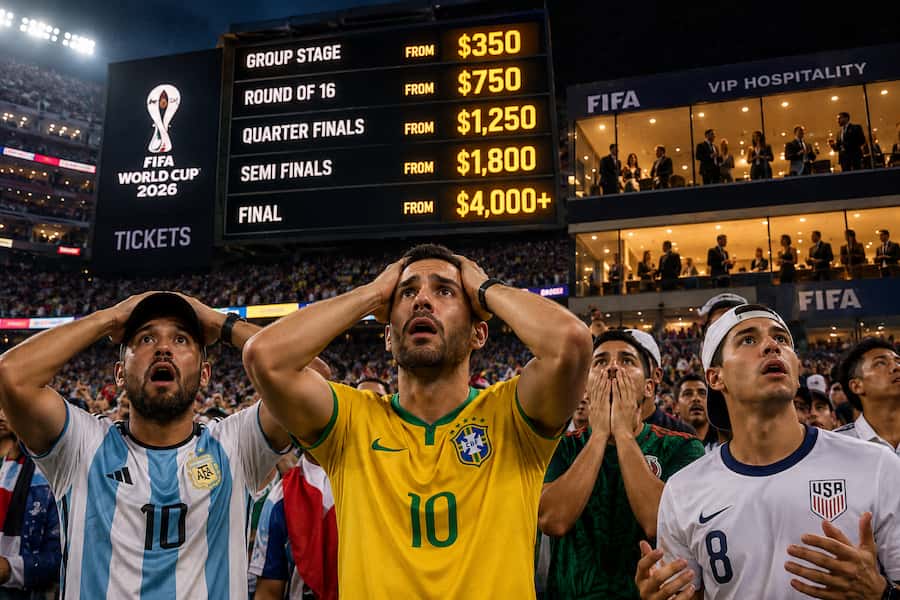
FIFA says the 2026 World Cup is for everyone. The prices tell a different story. Want to watch your country in the group stage? Be prepared to spend hundreds — sometimes thousands — before you even book a hotel.
Dreaming of the World Cup final? That dream now comes with a luxury price tag. And fans are starting to ask an uncomfortable question: When did football’s biggest celebration become something ordinary supporters can barely afford?
The 2026 FIFA World Cup is supposed to be historic. It will be the biggest tournament football has ever seen — 48 teams, 104 matches, and millions of fans crossing North America for 39 days of football chaos. But behind the excitement, another story is unfolding. One about soaring ticket prices. Confusing ticket systems. Premium hospitality. And growing frustration that FIFA may be treating fans less like supporters — and more like customers.
Key Takeaways
- The 2026 World Cup expands from 32 to 48 teams and from 64 to 104 matches.
- Ticket prices are dramatically higher than in previous tournaments.
- FIFA changed how tickets are sold, confusing fans.
- Critics say premium experiences are replacing affordable fan access.
- FIFA is projected to generate record revenues from this tournament cycle.
The Cheapest Tickets No Longer Feel Cheap
For many supporters, the first shock was simple: The prices.
The World Cup has never been cheap. But this feels different. Compared to Qatar 2022, ticket prices for many matches have jumped sharply, especially with the United States hosting the majority of games.
For fans from football-mad countries like Brazil, Portugal, Argentina, or Mexico, following their national teams suddenly feels like a major financial commitment. And that is before:
- Flights
- Hotels
- Food
- Transportation
- Merchandise
Get through the group stage alone, and the bill can feel overwhelming. For many families, the World Cup is quietly becoming a “watch from home” event. But ticket prices were only the beginning. Because many fans say buying tickets has become frustrating, too.
FIFA Changed The Way Tickets Are Sold — And Fans Noticed

In previous World Cups, ticketing felt simpler. This time? Fans describe confusion.
FIFA took greater control over the process, and supporters quickly complained about:
- Long digital queues
- Website crashes
- Error messages
- Limited transparency
- Confusing ticket categories
Perhaps the biggest frustration was uncertainty. Fans never seemed to know exactly how many tickets were actually available. That matters.
Because scarcity changes behavior. When people believe tickets are disappearing fast, panic takes over. Nobody wants to miss a once-in-a-lifetime World Cup. And critics argue that urgency may have worked in FIFA’s favor. The fear of missing out pushed fans to spend faster — and spend bigger. But the controversy did not stop there.
The Resale Market Suddenly Became Big Business
For years, ticket resales mostly happened through outside platforms. This World Cup feels different. FIFA expanded its role in the secondary market, saying tighter control would help reduce fraud and stop scalpers.
Fair enough. But critics quickly raised another question: Who profits from the resale process? Some supporters worry they rushed to buy expensive tickets, only for cheaper options to potentially appear closer to kickoff.
Others fear premium buyers may end up paying more while unsold inventory quietly gets discounted later. Whether that happens or not, the uncertainty has created distrust. And trust matters when fans are already spending life-changing money.
The World Cup Is Starting To Feel “VIP First”

Football has always called itself the people’s game. The atmosphere comes from ordinary supporters. The chants. The flags. The tears during national anthems. The fans who save for years just to attend one match.
But many believe the modern World Cup increasingly feels built for wealthier audiences. Premium hospitality has exploded. Luxury lounges. Corporate suites. Exclusive experiences. VIP seating. Packages costing thousands of dollars.
Meanwhile, regular supporters are stuck refreshing ticket pages, hoping prices somehow become realistic. That contrast is hard to ignore. Because football was never supposed to feel exclusive. And yet, for some fans, the World Cup suddenly does.
Bigger Tournament, Bigger Business
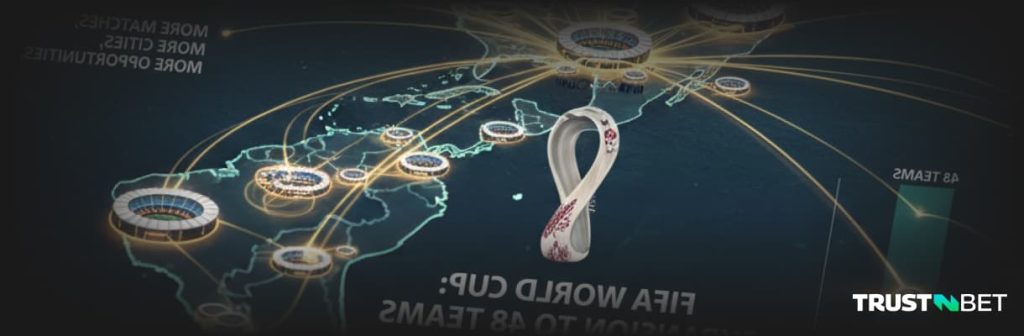
FIFA says expanding the tournament is about inclusion. And to be fair, there is truth to that. More countries will qualify. Smaller football nations finally get their moment. Millions of new fans will feel represented. That part matters.
But there is another reality that nobody can ignore: A bigger tournament also means bigger money.
Going from 64 matches to 104 matches means:
- More tickets sold
- More sponsorship inventory
- More advertising revenue
- More TV rights income
- More premium hospitality packages
In simple terms? More football. More money. And that raises a question many fans cannot stop asking: Was expansion really about growing football — or growing revenue?
Even Host Cities Are Feeling The Pressure
Fans are not the only ones paying more. Host cities are investing huge amounts into:
- Security
- Transportation
- Stadium operations
- Emergency services
- Fan infrastructure
Some cities are already looking for ways to recover costs. And that often means higher prices for visitors. Transportation costs rise. Hotels surge. Matchday spending increases. Suddenly, attending the World Cup starts feeling less like football and more like planning a luxury vacation.
FIFA Will Still Make Billions
Here is the uncomfortable truth:
- The World Cup will still be incredible.
- The biggest matches will still sell out.
- The goals will still create unforgettable moments.
- Fans will still cry, celebrate, and believe.
- Football’s magic is not disappearing.
- But FIFA will also make billions.
Probably more than ever before. That is why frustration feels so personal. Because supporters are not angry that FIFA makes money, they are angry that football’s biggest celebration increasingly feels out of reach for ordinary fans.
The Bigger Question Nobody Wants To Ask
The World Cup still belongs to football. But who does it really serve now? The supporters who built its culture? Or the business model behind it?
Because if ordinary fans start feeling priced out of football’s greatest tournament, FIFA risks losing something money can never replace: The people who made the World Cup special in the first place.
Want more breaking headlines, trending stories, and deep sports coverage? Check out the latest Sports News USA updates now.
