What Betting Apps Know About You…and How Algorithms Shape Bets
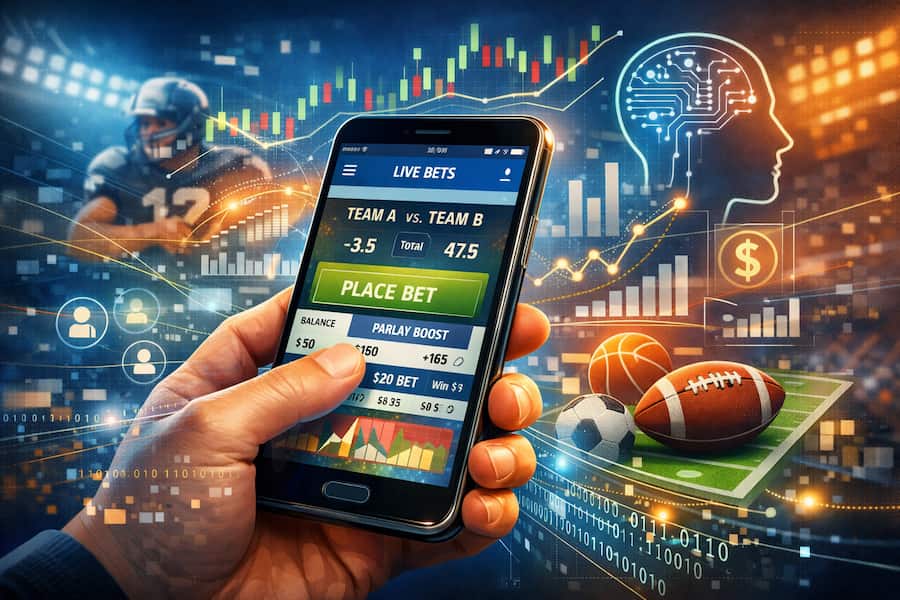
Sports betting apps in the U.S. look simple — odds, a bet slip, maybe a bonus. But behind that clean interface is a powerful data engine analyzing behavior in real time.
Modern sportsbooks operate like tech platforms. They use algorithms to manage risk, personalize what users see, and optimize engagement across millions of bets every day.
This isn’t just about setting odds. It’s about how data, design, and AI quietly shape how people interact with betting apps — often without realizing it.
What You’ll Learn
- How U.S. sportsbooks use algorithms and AI to track bettor behavior.
- Why are limits, odds, and promotions personalized for each user?
- The difference between casual bettors, professional bettors, and high rollers.
- How app design and notifications influence betting behavior.
- What regulations and oversight currently exist, and where gaps remain.
Key Takeaways: Algorithms Behind Sportsbooks
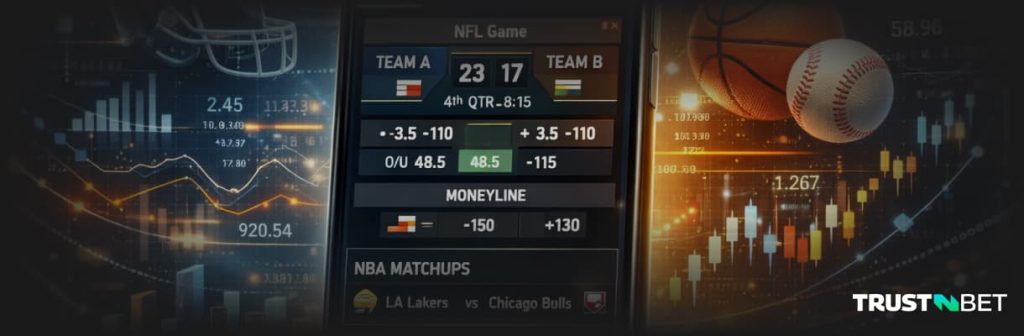
- Sports betting apps are powered by algorithms, not just odds.
Data models guide pricing, personalization, and risk management behind the scenes. - Your behavior shapes what the app shows you.
Browsing patterns, timing, and engagement influence recommendations and promotions over time. - Limits and personalization are part of risk control.
These tools help platforms manage exposure and stabilize betting markets at scale. - Product design influences behavior.
Live betting, one-tap re-bets, and notifications reduce friction and increase engagement. - U.S. regulation hasn’t fully caught up to the tech.
Rules vary by state, and oversight of algorithmic personalization is still evolving. - Understanding the system sets realistic expectations.
These platforms are optimized for engagement and profitability, not for individual outcomes.
The Hidden Tech Running Sports Betting Apps
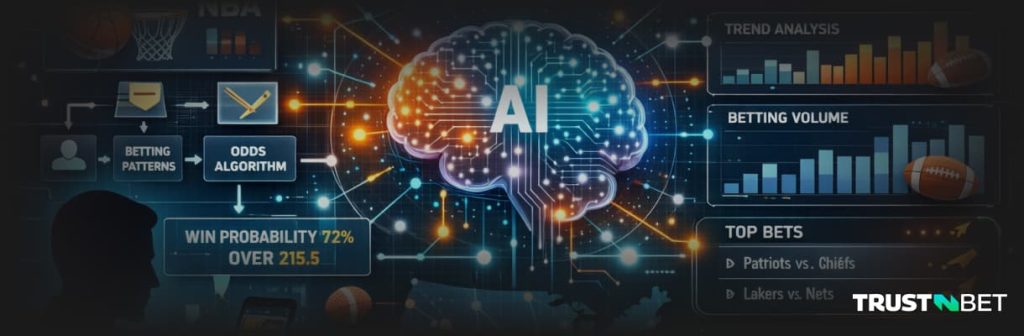
At first glance, apps like FanDuel or DraftKings appear simple: select a game, choose a bet, and confirm. But behind the interface, real-time algorithms monitor every action:
- When users open the app
- Which bets do they explore or place
- How much and how often they deposit
- How they respond to promotions or notifications
Each action updates predictive models that estimate risk exposure, engagement probability, and lifetime value. This allows sportsbooks to adjust odds, personalize offers, and recommend bet types tailored to different segments of users.
How Bettors Are Classified (Without You Noticing)

From the moment an account is created, systems try to estimate what kind of bettor you will be:
- Casual bettors (“Squares”) – Bet occasionally, typically small amounts, often favoring popular teams or simple bets.
- Professional or sharp bettors – Bet strategically with positive expected value, often early, and in niche markets.
- High rollers (“Whales”) – Bet large amounts, usually recreationally, and often lose money over time.
Algorithms track timing, bet types, device usage, payment methods, and even response to promotions. These factors help platforms segment users and anticipate future behavior.
Why Betting Limits Exist
One controversial practice in U.S. sports betting is the use of dynamic betting limits. Limits aren’t always static — they can change based on market conditions and account behavior.
From a business perspective, limits serve a few purposes:
- Preventing large exposure on thinly traded markets
- Reducing risk when odds move quickly
- Managing liability around specific events
Sportsbooks argue this is standard risk management. Critics say the lack of transparency makes the experience feel unpredictable for users. Either way, limits are part of how these platforms stabilize their markets at scale.
How App Design Influences Behavior
Sports betting apps are designed for speed and convenience:
- One-tap re-bets
- Stored payment methods
- Real-time odds updates
- Live in-game betting
- Personalized home screens
These features reduce friction and encourage more frequent interaction, much like shopping carts in e-commerce or autoplay in streaming apps. In betting, this design interacts with psychological factors, subtly shaping decisions and engagement.
Personalization and Push Notifications
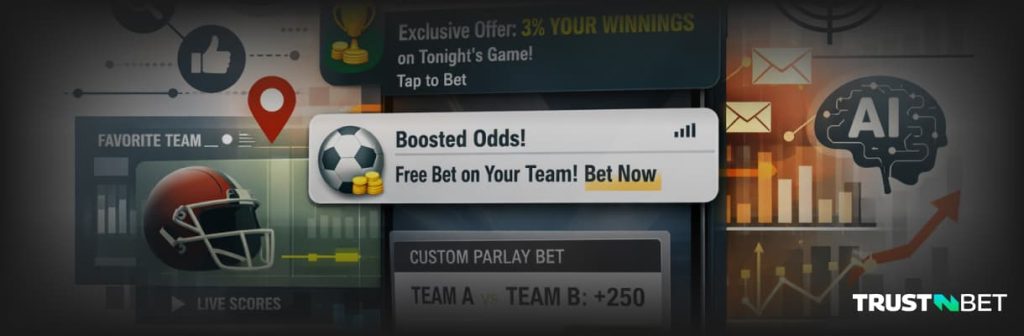
Push notifications are the most visible way algorithms influence users. Platforms can target:
- Specific sports or teams based on user preference
- Events happening right now (live games, halftime odds changes)
- Promotional offers designed to encourage re-engagement
A/B testing ensures each message reaches the right segment at the right time. The result is a highly personalized, real-time experience that keeps users coming back.
Why This Matters
Sports betting apps aren’t just entertainment products — they’re data-driven platforms shaping how people interact with risk, money, and live sports in real time.
As more Americans use these apps, the design choices and algorithms behind them have real-world consequences: how often people bet, what kinds of bets they’re nudged toward, and how transparent the experience feels.
Understanding the technology doesn’t mean you can control it — but it helps explain why modern sports betting feels so fast, personalized, and immersive during big games.
Where Regulation Enters the Picture
Sports betting in the U.S. is regulated state by state. Key aspects include:
- Advertising rules
- Data collection and privacy requirements
- Responsible gambling tools
- Deposit and betting limits
Some federal lawmakers are exploring stricter national oversight, particularly around algorithm-driven personalization. Until those regulations evolve, the interaction between tech and user behavior will continue to grow.
What This Means for Everyday Users
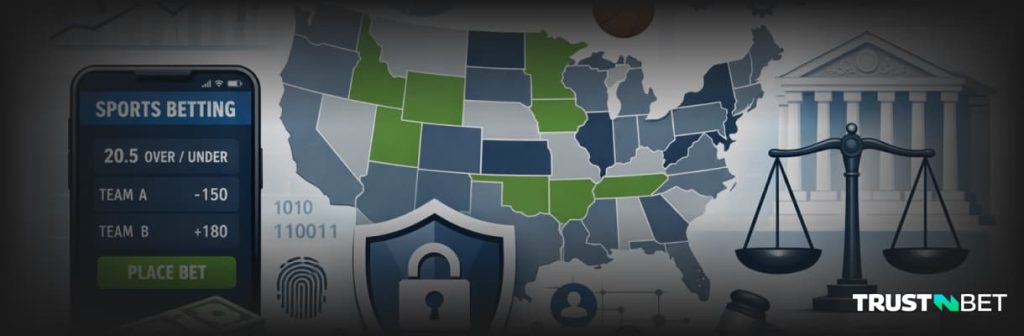
You don’t need to be a tech expert to take away a few practical truths:
- Sports betting apps are built like modern tech platforms — data-driven, personalized, and optimized for engagement.
- Features that feel “helpful” are often designed to reduce friction and increase activity.
- Limits, promotions, and recommendations are often shaped by automated systems, not just human decisions.
- Transparency around how these systems work is still evolving in the U.S.
Understanding the technology doesn’t mean you can outsmart it — but it does mean you’re less likely to confuse product design with chance
The Bigger Picture: Tech Meets Gambling
The U.S. sports betting boom isn’t just about legalization — it’s about the arrival of Silicon Valley-style optimization in gambling. Data science, personalization, and behavioral design now shape how millions of Americans experience betting on sports.
That combination raises new questions:
- How much personalization is too much?
- Where should regulators draw the line?
- And how transparent should platforms be about the systems guiding user experiences?
As betting apps continue to evolve, these questions are becoming part of a much larger conversation about how algorithms influence consumer behavior across the digital economy. Keep Up with Every Play – Your Source for U.S. Sports News, Updates, and Expert Analysis!
