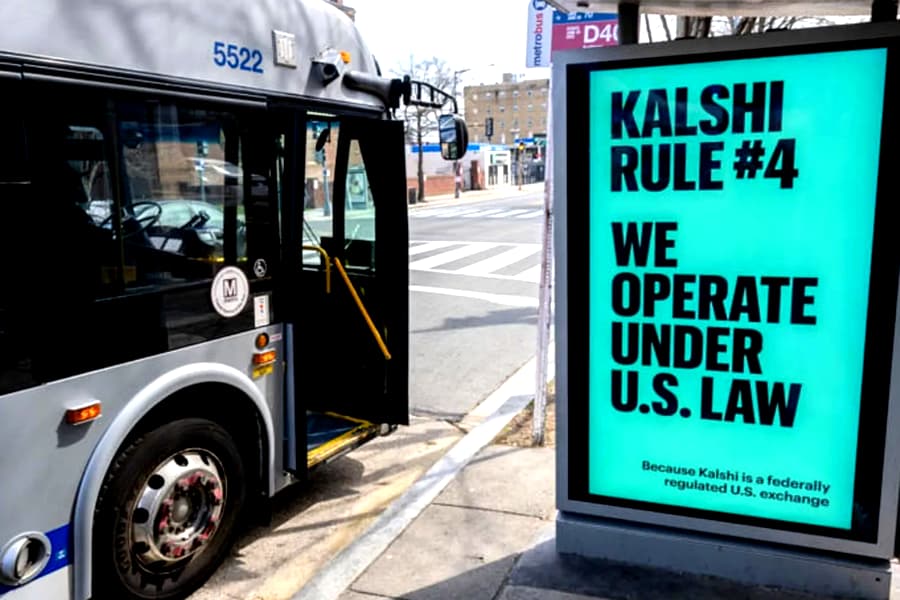
Congress Targets Sports Betting Loophole Used by Kalshi and Polymarket
A fast-growing corner of the internet is turning sports betting into something that looks a lot like Wall Street—and now Congress is moving to shut it down.
At the center of the fight are platforms like Kalshi and Polymarket, which have exploded in popularity by letting users trade on the outcomes of real-world events, including sports.
Now, a new bipartisan bill could wipe out a huge chunk of their business overnight.
Stay ahead of the game—get the latest U.S. sports news, insights, and breaking updates you won’t find anywhere else.
Key Takeaways
- Congress is targeting prediction markets like Kalshi and Polymarket with new legislation
- Lawmakers argue these platforms may be exploiting a legal loophole to offer sports betting
- A proposed bill could ban sports-related contracts on federally regulated exchanges
- Sports betting makes up a major share of these platforms’ revenue
- The outcome could reshape both the U.S. betting industry and financial markets
The New Bill That Could Change Everything
U.S. lawmakers have introduced legislation—informally dubbed the “Prediction Markets Are Gambling Act”—aimed at banning federally regulated prediction platforms from offering contracts tied to sports events.
If passed, the bill would:
- Prohibit sports-related contracts on regulated exchanges
- Ban “casino-style” games like blackjack and slot-style markets
- Force platforms to rethink their entire business model
And the timing isn’t random.
Just last week, Kalshi reportedly surpassed $3 billion in weekly trading volume, with roughly 86% tied to sports-related contracts. That’s exactly what has lawmakers paying attention.
The $20 Billion Loophole
At the heart of this fight is a surprisingly simple question:
Is betting on a game a financial trade—or just gambling?
Prediction markets argue they are financial exchanges, regulated at the federal level by the Commodity Futures Trading Commission.
That classification gives them a massive advantage:
- They can operate across all 50 states
- They avoid state-by-state gambling licenses
- They skip some of the highest tax rates on betting
Traditional sportsbooks don’t have that luxury.
Companies like DraftKings and FanDuel must comply with state laws, pay steep taxes, and follow strict consumer protection rules.
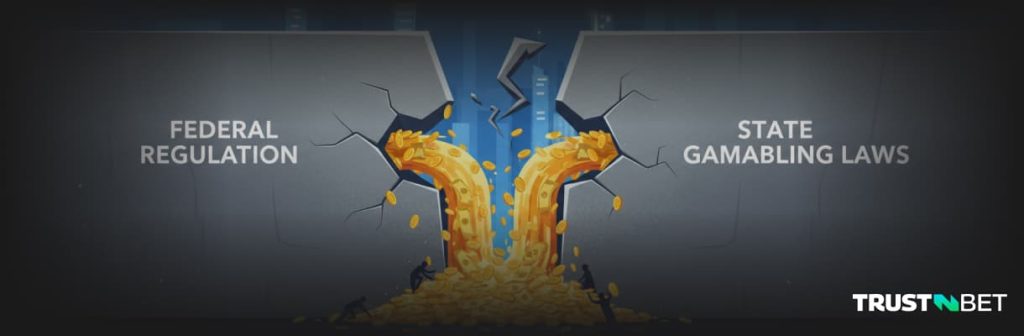
The result? A growing belief in Washington that prediction markets have found a legal loophole worth billions.
Why the CFTC Is Involved
To understand how this happened, you have to go back to why the Commodity Futures Trading Commission exists in the first place.
Created in 1974, the agency was designed to regulate commodities markets—things like oil, corn, and cattle—where businesses hedge against price swings.
But after the 2008 financial crisis, its powers expanded dramatically.
New laws gave the agency authority over a broad category of financial instruments, including contracts tied to future events.
That definition turned out to be incredibly flexible.
Prediction markets used it to argue that betting on outcomes—even sports—could qualify as regulated financial activity.
Why Lawmakers Are Pushing Back

Critics say the system is being stretched far beyond its original purpose.
Their concerns include:
- Consumer protection gaps (lower age limits, fewer restrictions)
- Lost state tax revenue
- Unfair competition with licensed sportsbooks
There’s also a bigger philosophical issue:
Sports betting in the U.S. has traditionally been regulated at the state level, especially after the Murphy v. NCAA decision legalized it nationwide.
Prediction markets, however, operate under federal oversight—bypassing that system entirely.
What Happens If the Bill Passes
If Congress moves forward, the impact could be immediate and massive.
1. A Huge Revenue Hit
Sports make up the majority of activity on platforms like Kalshi. Removing them could wipe out most of their revenue overnight.
2. Investor Fallout
Prediction market companies are reportedly valued at $20+ billion. Those valuations could collapse if their core business disappears.
3. A Win for Traditional Sportsbooks
Companies like DraftKings and FanDuel could benefit as competition is reduced and betting returns to state-controlled systems.
What If It Doesn’t Pass?
Even if the bill fails, the fight is far from over.
Possible outcomes include:
- Ongoing lawsuits from individual states
- Stricter regulatory interpretations
- A negotiated compromise limiting certain types of bets
One middle-ground solution could allow prediction markets to exist—but under stricter rules similar to sportsbooks.

The Bigger Picture
This isn’t just a niche policy debate—it’s a battle over the future of how Americans interact with risk, money, and online platforms.
Prediction markets blur the line between:
- Investing
- Gambling
- Information markets
And that makes them powerful—but also controversial.
The Bottom Line
Washington is waking up to a fast-growing industry that may have moved faster than the rules designed to contain it.
Whether this ends in a ban, a compromise, or a long legal battle, one thing is clear:
The outcome will shape the future of sports betting—and possibly financial markets—in the United States for years to come.
