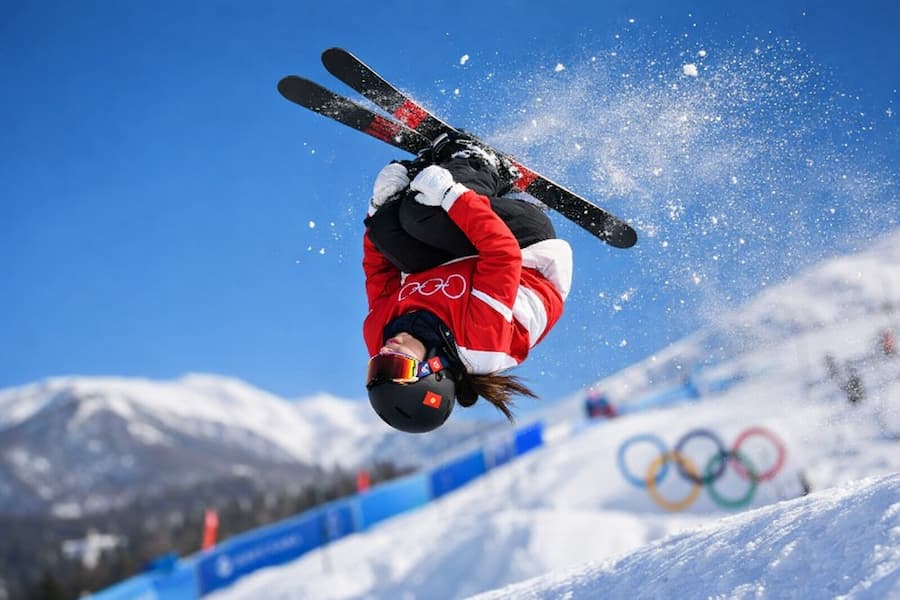
The Business of Eileen Gu: How One Olympic Star Built a $20M Global Brand
In 2025, Eileen Gu earned over $20 million — and less than 1% of that came from skiing competitions.
The rest came from endorsements, sponsorships, and global branding deals. In other words, her biggest win wasn’t on the slopes; it was in the business of being Eileen Gu.
Gu isn’t just an Olympic star. She’s a master strategist, blending athletic performance, global branding, and cross-market leverage into a career blueprint other athletes could study for years.
Key Takeaways: The Business of Eileen Gu
- Brand > Medals: Most of Gu’s $20M+ earnings come from endorsements, not competitions.
- Dual-Market Power: Fluent in English and Mandarin, she appeals to both U.S. and Chinese audiences.
- Timing Wins: Joining China before Beijing 2022 maximized exposure and sponsorships.
- Neutrality Protects Deals: Strategic silence on politics keeps contracts safe.
- Modern Athlete = Entrepreneur: Talent + market strategy = global brand success.

The $20 Million Question
Gu’s rise to global visibility began with a bold move: in 2019, she chose to represent China in international competition, rather than the United States.
The decision immediately sparked debate. She was American-born, trained in U.S. systems, and previously competed under the U.S. flag. But for Gu, the choice wasn’t about politics — it was about maximizing market opportunity.
China’s growing winter sports market offered access to millions of new fans, lucrative endorsements, and high-profile campaigns — all in the lead-up to the 2022 Winter Olympics.
The result? Multi-million-dollar deals, international exposure, and a brand positioned across two of the world’s largest economies.
The Economics of Elite Athletes
Elite athletes today are more than competitors; they are media properties and global brands.
Gu’s portfolio includes a mix of Chinese and international sponsors — from luxury fashion houses to energy drink companies. Brands like Louis Vuitton, Red Bull, and Oakley pay seven-figure deals because she can credibly reach multiple markets.
Her earnings profile — less than 1% from competitions, over 99% from endorsements — exemplifies a growing trend: athletic skill opens the door, but branding closes the deal.
Dual Markets, Dual Advantage

Gu’s bilingual fluency and cultural understanding give her a rare advantage. She can authentically engage with audiences in both the U.S. and China, turning a dual-national background into a commercial multiplier.
In the modern sports business landscape, cross-market appeal translates directly into valuation. For global brands, an athlete who can sell sneakers in Shanghai and sportswear in New York is worth significantly more than someone confined to a single audience.
The Citizenship Strategy
Eligibility rules add complexity. The IOC requires athletes to hold citizenship for the country they represent, while China doesn’t formally allow dual citizenship.
Gu navigates this landscape carefully, maintaining U.S. ties while competing with China. Her approach preserves access to multiple markets — again, aligning with brand strategy rather than political positioning.
This calculated flexibility is part of what makes her one of the most commercially valuable athletes today.
Building Her Own Pond
Gu often frames her decision to compete for China as creating new opportunities — a chance to “build her own pond” rather than swim in a crowded U.S. system.
From a business perspective, it worked. She became a household name in China before turning global, boosting both endorsements and market influence.
Her path demonstrates a key principle for modern athletes: identify where your value compounds the fastest and position yourself there.

Lessons for the Sports Business World
Eileen Gu’s career is a case study in athlete-brand strategy:
- Market Timing Matters: Aligning with China’s Olympic push maximized exposure.
- Cross-Market Appeal Increases Valuation: Fluent in English and Mandarin, she is credible in multiple regions.
- Neutrality Preserves Opportunity: Strategic restraint on political issues safeguards contracts.
- Brand > Competition: Olympic performance opens doors, but endorsements sustain the business.
For agents, sponsors, and aspiring athletes, Gu’s playbook offers clear insights into turning athletic talent into long-term brand equity.
The Silence That Speaks
Critics sometimes ask why Gu avoids commentary on sensitive political issues. The answer is simple: risk management.
Negative statements could endanger lucrative contracts and cross-border appeal. Silence, in this context, is not ignorance — it’s strategy.
She’s not an activist. She’s an entrepreneur in ski boots. And the market rewards it.
Not Just Medals, But Market Mastery

Gu’s story reframes what success looks like for modern athletes. Gold medals matter — but in a hyper-globalized sports economy, brand visibility, cross-market leverage, and sponsorship alignment often outweigh podium finishes.
She competes. She earns. She builds equity. And she does it with the precision that makes her the most marketable freestyle skier in the world. In today’s sports business, that may be the ultimate win.
Stay ahead of the game with the latest sports news from across the U.S.A. — from Olympic stars to pro leagues, click here to catch every update you won’t want to miss!
