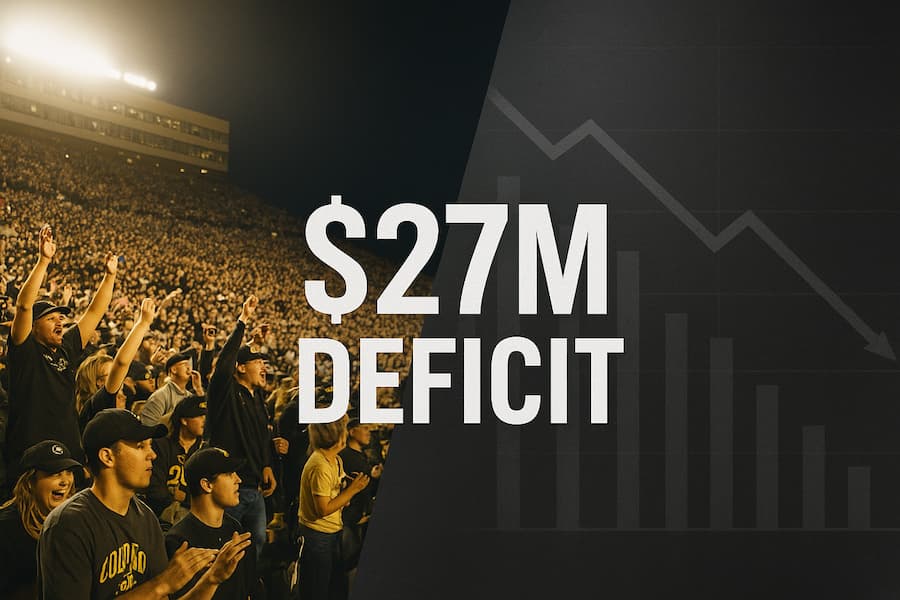
From Sellouts to Shortfalls: Colorado Hit With $27M Deficit in 2025
Less than a year after awarding Deion “Coach Prime” Sanders a blockbuster contract extension, the University of Colorado athletic department is staring at a projected $27 million deficit — and more than $41 million in red ink once institutional support and student fees are factored in. For a program that only two years ago became the epicenter of college football hype, the financial whiplash is stunning.
Colorado’s 2025 season ended with a 3–9 record and only one Big 12 victory, marking one of the most disappointing follow-ups to a high-profile rise in recent memory. With recruiting momentum fading and two of Colorado’s biggest stars — Shedeur Sanders and Travis Hunter — now in the NFL, the Buffs’ off-field problems suddenly look just as daunting as the on-field ones.

The Biggest Deficit in Modern Colorado Athletics
According to public financial filings, Colorado’s athletic department is on pace for the largest deficit in its 135-year history. Even after receiving nearly $12 million in institutional support and more than $2 million in mandatory student athletic fees, the final number ballooned to over $41 million in actual shortfall.
The rapid reversal comes only 10 months after Colorado locked Sanders into a multiyear, $54 million deal — a move the school justified at the time by pointing to record-breaking national attention and unprecedented revenue growth.
Now, that calculus is under scrutiny.
Revenue Isn’t the Issue — Spending Is
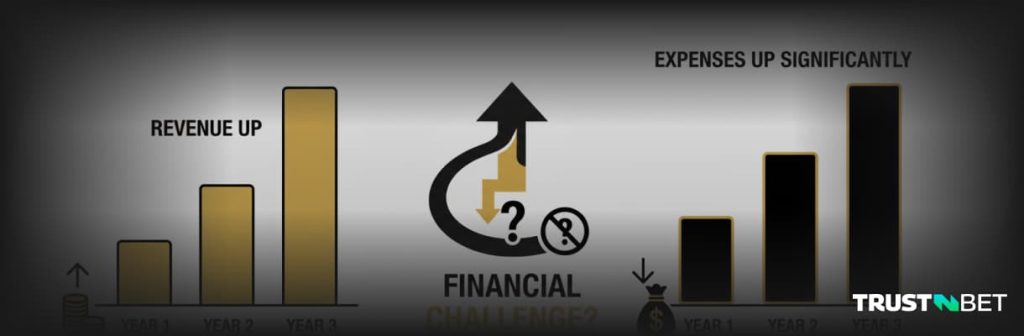
Despite the losing season, Colorado’s athletic department is bringing in significantly more money under Sanders than it did before his arrival.
- Pre-Prime (five-year pre-COVID average): ~$90M annual revenue
- Post-Prime (2023–25 average): ~$137M annual revenue
That’s a 52% jump, almost entirely fueled by football.
Football’s revenue transformation:
- Ticket sales: $13M → $31M
- Game-day revenue (parking, concessions, etc.): $1.5M → $6M
- Sponsorship revenue: $5.9M → $10.7M
And even with the team regressing this season, Colorado actually generated more ticket revenue thanks to seven home games instead of six.
In other words: Colorado isn’t losing money because Deion Sanders can’t fill seats. He still can.
Expenses Have Exploded
The real problem is on the other side of the ledger.
Colorado athletics went from spending ~$89 million annually pre-COVID to a staggering $163 million this year. That’s an 84% jump in expenses, even though revenue dipped slightly.
Where did the money go? Several major areas:
1. Coaching Salaries and Staff Growth
Sanders’ $10M per year salary is part of the narrative, but Colorado doubled down with expanded support staff, analysts, and off-field operations.
2. Revenue-Sharing Payments to Athletes
The first year of the post–House v. NCAA settlement added about $20M in allowable revenue-sharing — an expense every major program faces.
3. Administrative Inflation
Non-coaching administrative wages and benefits jumped to $26M per year, up from $18M in 2022.
4. Non-Revenue Sports Costs
Colorado’s non-football programs collectively spend far more than they generate, creating a structural drain on the department.
Despite football operating at a $20M+ surplus, the rest of the department has outspent that margin many times over.
Why Deion Sanders Isn’t Really the Problem
Public messaging has positioned Sanders’ salary as a major culprit, but the numbers tell a different story:
- Colorado asked him for the extension, not the other way around.
- The school based that raise on football’s massive revenue boom.
- Football still generates more money than any other part of the department — by far.
If anything, Colorado’s finances would look much worse without Sanders’ impact.
The real story: Colorado didn’t control costs, even while revenue surged.
Students Will Feel the Pain First

Colorado insists that athletics deficits won’t affect students or academics. But the numbers contradict that narrative.
- Last year’s balanced budget was only possible because the university injected $24M in support.
- Student athletic fees increased from $28.50 per semester to $90, generating an extra $2.2M annually.
Every dollar spent bailing out athletics is a dollar that can’t go toward academic resources, financial aid, or campus improvements. Over a decade, this could mean hundreds of millions of dollars diverted away from students.
Money is fungible — and the bill is showing up in student accounts first.
Colorado Must Decide What Kind of Program It Wants to Be
Colorado now faces the same dilemma confronting many athletic departments in the new college athletics economy:
Option 1: Increase revenue even further
This means leaning harder into:
- Alcohol sales
- Concert rentals and stadium usage
- Dynamic ticket pricing
- Private equity investment (a growing trend nationally)
Option 2: Cut expenses
The uncomfortable path, but likely necessary:
- Reduce administrative headcount
- Renegotiate contracts to minimize buyout exposure
- Rethink non-revenue sports spending
- Implement operational efficiencies across the board
Simply put: Colorado has a management problem, not a Deion Sanders problem.

The Bottom Line
Deion Sanders boosted revenue, national relevance, ticket demand, and brand visibility. But none of that matters if Colorado’s athletic department is spending money faster than it can make it.
Without major structural changes, the school’s deficits will keep growing — and students, not Sanders, will be the ones paying the price.
Get the full picture with Sports News U.S.A — from the big wins to the behind-the-scenes drama. Click to follow along and keep the action coming your way.
