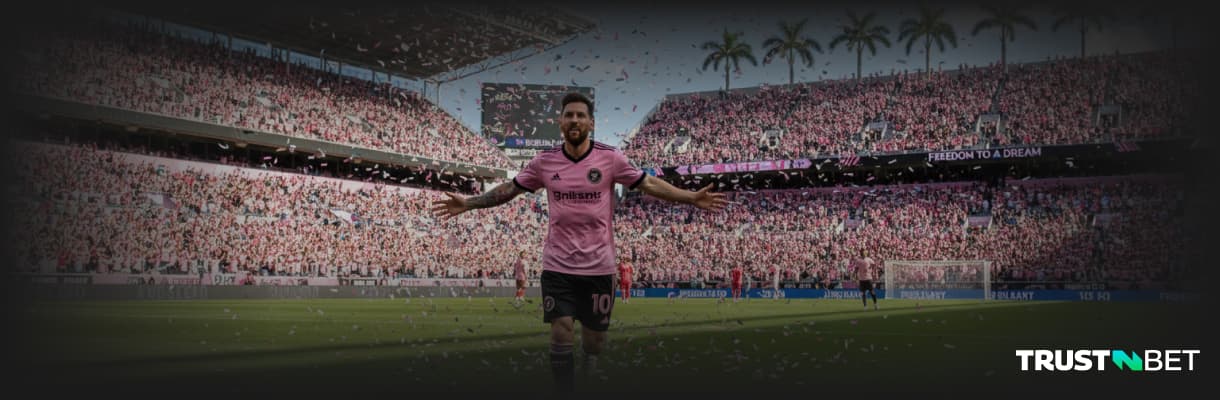
How Messi Turned Inter Miami CF Into a $1.45 Billion Soccer Empire
Two years before Lionel Messi ever stepped onto the pitch in Miami, something unusual was already happening behind the scenes.
Contracts were being written. Sponsors were being lined up. And buried deep inside those agreements was a clause so specific that it only applied to two people on Earth.
That clause would go on to change everything.
Want more stories like this? Tap in for trending U.S. sports news, viral moments, and behind-the-scenes insights you won’t see anywhere else.
🔑 Key Takeaways
- 350% Revenue Surge: Inter Miami’s revenue jumped from ~$56M to ~$250M since Messi arrived.
- Ballon d’Or Clause: Pre-planned sponsorship escalators triggered massive financial gains.
- Messi Deal = Business Engine: $70–80M/year contract includes salary, revenue sharing, and equity.
- Five Revenue Streams: Sponsorships, ticketing, merchandise, broadcast, and international tours all benefited.
- Nu Stadium & Miami Freedom Park: New stadium + 131-acre development creates long-term, year-round revenue.
- Post-Messi Strategy: Messi’s equity stake ensures ongoing influence, helping Inter Miami remain a global powerhouse.
The $56M → $250M Transformation

Before Messi’s arrival, Inter Miami CF was generating roughly $56 million per year.
Now? The club is projected to bring in around $250 million annually—a staggering 350% increase. Its valuation has followed the same trajectory:
- 2022: ~$585 million
- Today: $1.45 billion
That makes Inter Miami the most valuable club in MLS, ahead of teams like Los Angeles FC and LA Galaxy. But the real story isn’t just growth. It’s how deliberately it was engineered.
📜 The Clause That Changed Everything

Long before Messi signed, Inter Miami added a powerful trigger to its sponsorship deals:
👉 If the club signed a player with 5+ Ballon d’Or wins, sponsorship fees would automatically double.
Only two players qualified:
- Lionel Messi
- Cristiano Ronaldo
So when Messi arrived in 2023, revenue didn’t gradually increase. It instantly stepped up across multiple contracts. This wasn’t luck. It was one of the smartest pre-planned monetization strategies in modern sports.
The Messi Deal Isn’t a Salary—It’s a Business Model
Messi reportedly earns $70–80 million per year.
But here’s what makes it different:
- Only about $20 million is guaranteed salary
- The rest comes from:
- Revenue sharing with Adidas
- The media deals with Apple
- Equity in the club
In simple terms:
- 👉 Messi isn’t just playing for Inter Miami
- 👉 He’s participating in its growth
That alignment is why the deal works financially.
The 5 Revenue Engines Powering the Surge
Messi impacts every major revenue stream, creating a compounding effect rarely seen in U.S. sports.
1. Sponsorships (The Biggest Driver)
Inter Miami’s partner list now looks like a Fortune 500 lineup.
Key deals include:
- Royal Caribbean (jersey sponsor)
- JPMorgan Chase (stadium rights)
- Visa, Audi, Lowe’s
These deals are:
- Multi-year
- High-margin
- Often tied to performance triggers (like the Ballon d’Or clause)
2. Ticketing (Scarcity + Demand)
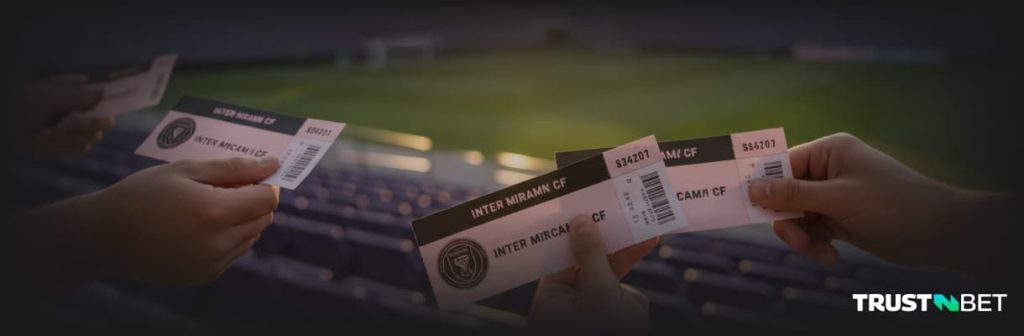
- Prices jumped 200–300%
- Stadiums consistently sell out
Even better:
MLS changed its revenue-sharing rules, allowing teams like Inter Miami to keep more of their ticket income.
3. Merchandise (Global Demand)
Messi’s No. 10 jersey has been:
👉 The best-selling MLS jersey for multiple years
This drives:
- Massive direct revenue
- Additional income via Adidas revenue-sharing
4. Media & Streaming
MLS signed a $2.5 billion deal with Apple.
Messi’s arrival:
- Boosted viewership dramatically
- Broke streaming records
Even though revenue is shared league-wide, Messi increased the overall value of the product.
5. International Tours (Globalization)
Inter Miami is now operating like a European giant:
- Multi-country preseason tours
- Matches across Asia, the Middle East, and the Americas
These tours:
- Generate matchday revenue
- Unlock global sponsorship deals
🏟️ “Nu Stadium” and the Real Long-Term Play
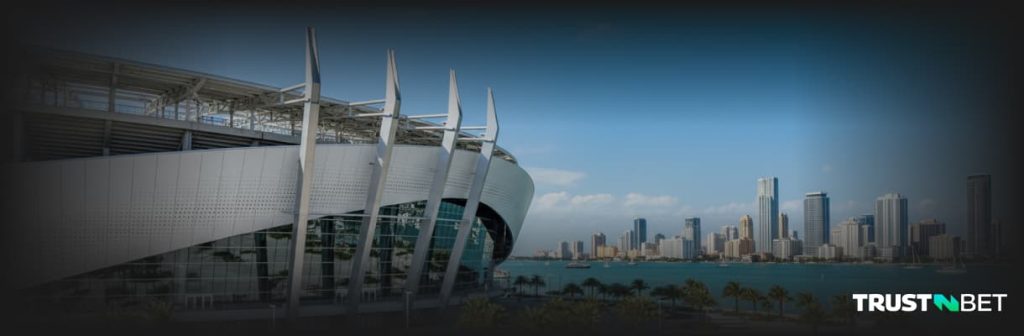
Messi is the catalyst—but infrastructure is the endgame. Inter Miami is opening a new stadium as part of Miami Freedom Park, a 131-acre development near Miami International Airport.
Key features:
- ~26,700 seats
- Premium hospitality (5–10x higher revenue per seat)
- Naming rights deal with Nubank
But the real value is outside the stadium:
- Hotels
- Retail
- Restaurants
- Entertainment venues
This turns Inter Miami into something bigger than a team: A year-round entertainment and real estate business.
What Happens After Messi Retires?
Most people assume revenue will collapse. That’s unlikely.
Here’s why:
- Messi is earning equity in the club
- He’ll remain involved as a long-term partner (like David Beckham)
- The stadium and real estate generate income regardless of performance
In fact, a retired Messi with ownership influence could be: More valuable commercially than many active players
The Real Lesson
Inter Miami didn’t just sign the greatest player of all time. They built a system ready for him before he arrived.
- Contracts anticipated a superstar
- Revenue streams were designed to scale instantly
- Infrastructure is locking in long-term value
This is what “preparation meets opportunity” actually looks like.
Final Thought
Most teams chase success on the field and figure out the business later. Inter Miami did the opposite.
They built the business first— and when Lionel Messi arrived, it didn’t just make headlines. It triggered a machine designed to turn global attention into billions.
