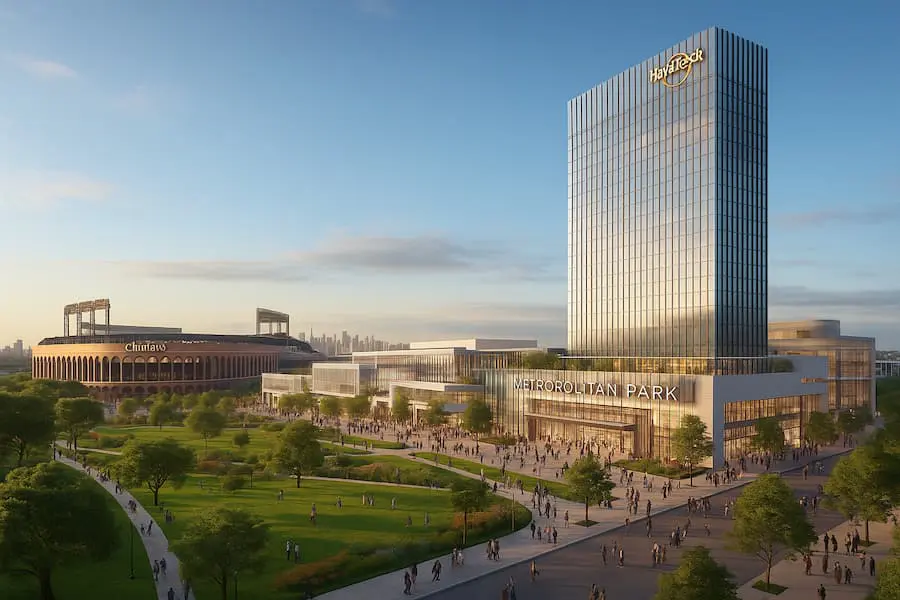
How Steve Cohen Pulled Off New York’s $8B Metropolitan Park Casino Deal
For more than two years, Steve Cohen’s vision for an $8 billion entertainment district outside Citi Field looked like a long shot. Lawsuits were filed, lawmakers bristled, and rival casino bidders swarmed the New York market. Yet when the dust settled, the Mets owner walked away with one of the three coveted downstate casino licenses — and the keys to what could become one of the most lucrative hospitality complexes in America.
How did he pull it off?
The answer blends political engineering, financial muscle, and a once-in-a-generation opportunity to reshape Queens’ sports and entertainment corridor.
The Moment New York Opened the Door
New York State had been inching toward full-scale downstate casinos for over a decade. Voters approved casino expansion in 2013, but upstate properties were given a 10-year lead before New York City could even submit bids.
When the window finally opened, the competition was fierce:
- Manhattan submitted three proposals
- Queens had two
- Others came from the Bronx, Yonkers, and Coney Island
But all proposals had to pass through Community Advisory Committees (CACs) — hyper-local panels with the power to stop a multibillion-dollar project dead.
Most didn’t make it. Every Manhattan bid failed. Coney Island’s $3.4 billion concept died in a 4-2 vote. By the end of the process, only four finalists survived: Metropolitan Park, Resorts World Queens, Bally’s Bronx, and MGM Yonkers. Then MGM unexpectedly withdrew, leaving three finalists for three licenses — and clearing Cohen’s path.
The Obstacles Cohen Had to Overcome
Even with a direct runway, Metropolitan Park faced extraordinary hurdles.
1. Opposition From Key Lawmakers
State Senator Jessica Ramos — representing the district — originally refused to introduce the necessary legislation to convert the Citi Field parking lot (legally designated as parkland) into commercial space. Without her cooperation, the project could not proceed.
2. A Lawsuit from the USTA
The U.S. Tennis Association, operator of the US Open next door, secured a temporary restraining order arguing that construction could violate existing parking contracts during tennis season.
3. The Parkland Conversion Issue
Citi Field’s lots legally count as parkland dating back to the 1964 World’s Fair era. Turning the asphalt into a commercial district required state approval — a process loaded with precedent-setting implications.
Each obstacle carried the weight to derail the project entirely.
The Strategy: Reframe the Casino Into an Economic Engine
If there was one defining feature of Cohen’s approach, it was this:
He presented a casino without calling it a casino.
He branded the project “Metropolitan Park”, emphasizing:
- 25 acres of green space
- New athletic fields and playgrounds
- Restaurants, theaters, and public plazas
- Upgraded transit improvements
- A new walkable district for Mets fans and Queens residents
The casino became just one component of a broader redevelopment plan. This rebrand wasn’t cosmetic — it was political. The CACs and local stakeholders needed to see the project as a community value first, gaming second.
The Quiet Power Moves
Publicly, Cohen’s team held community meetings, revised plans, and emphasized benefits. But behind the scenes, the real machinery of New York development was turning.
Lobbying
Cohen and Hard Rock invested heavily in lobbying and public affairs — a necessity in a process this sprawling.
Political Contributions
Cohen and his partners steered donations to local political actors, a standard but significant component of gaining influence in New York development cycles.
Strategic Hiring
His team hired lawyers with deep experience in City Hall and Albany — including former members of the Mayor’s staff.
Infrastructure Concessions
Cohen offered to personally fund major improvements to the Mets–Willets Point 7 train station, a move that addressed both public transit concerns and political optics.
In the end, supporters could point to job creation and infrastructure investment. Critics could point to political pressure and influence. Both are likely true — and both played a role.
Why the State Ultimately Approved It
Once the project cleared the CAC and the competitive field narrowed, the Gaming Commission leaned on three core factors.
⭐ 1. The Economic Argument Was Unmatched
Metropolitan Park is projected to generate:
- $3.9 billion in annual revenue by year three
- $850 million per year in taxes
- 15,000 construction jobs
- 5,000 permanent jobs
⭐ 2. The Location Is Unique in the U.S.
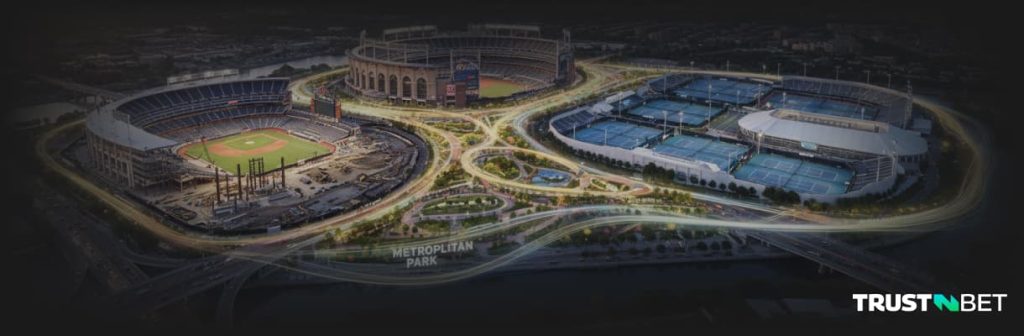
The site sits next to:
- Citi Field
- The US Open
- A new 25,000-seat NYCFC stadium
- The 7 train
- LaGuardia Airport
No other bidder could replicate that cluster of foot traffic and tourism gravity.
⭐ 3. Hard Rock’s Operational Muscle
Partnering with Hard Rock signaled stability, experience, and global brand power. Regulators want operators who know the business cold.
What Metropolitan Park Will Actually Look Like
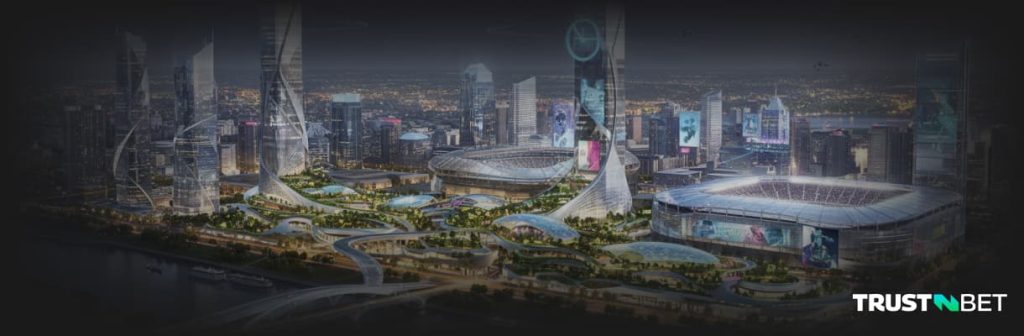
The plan includes:
- 1,000-room hotel
- 5,000 slot machines
- 375 dealer tables
- 30 poker tables
- 5,650-seat entertainment venue
- 19 restaurants and bars
- Retail village
- 25 acres of parkland
- Structured parking garages are increasing capacity from 7,750 to 13,750
If the revenue projections prove accurate, Metropolitan Park would rank among the top 10 highest-grossing casinos in the United States.
Why This Matters for the Mets
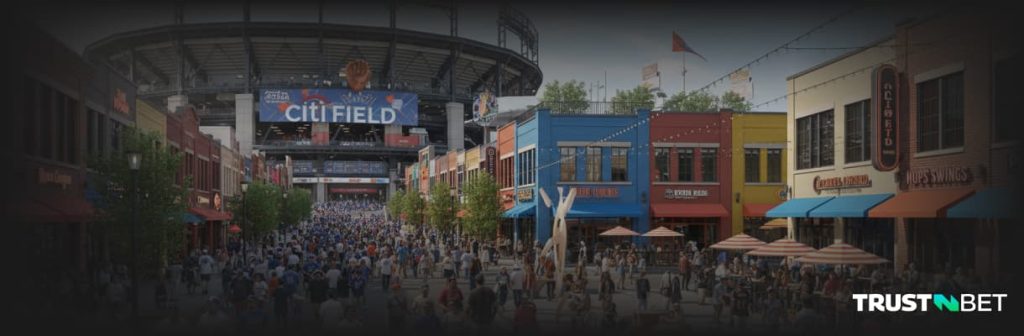
Citi Field has long been an island — surrounded by asphalt, lacking a true neighborhood. Fans arrive, watch a game, and leave immediately because there’s nowhere else to go.
Metropolitan Park changes that instantly. More importantly for Cohen, it creates a year-round revenue engine that has nothing to do with wins, losses, or baseball seasonality.
Last year, despite $444 million in revenue, the Mets posted a $268 million operating loss. A casino-hotel-entertainment district smooths the financial volatility that comes with large payroll swings and fluctuating ticket demand. In Wall Street terms, Cohen is hedging the Mets.
The Bottom Line
Steve Cohen didn’t just win a casino license.
He executed one of the most complex political, economic, and public-relations campaigns New York has seen in decades — transforming a contested asphalt parking lot into a multibillion-dollar destination that could alter the future of Queens, the Mets, and the city’s entertainment landscape.
Metropolitan Park may not open for 4–5 years. But its impact has already started. Stay ahead of the game — follow Sports News U.S.A. for breaking updates, insider stories, and everything you need to know before anyone else does.
