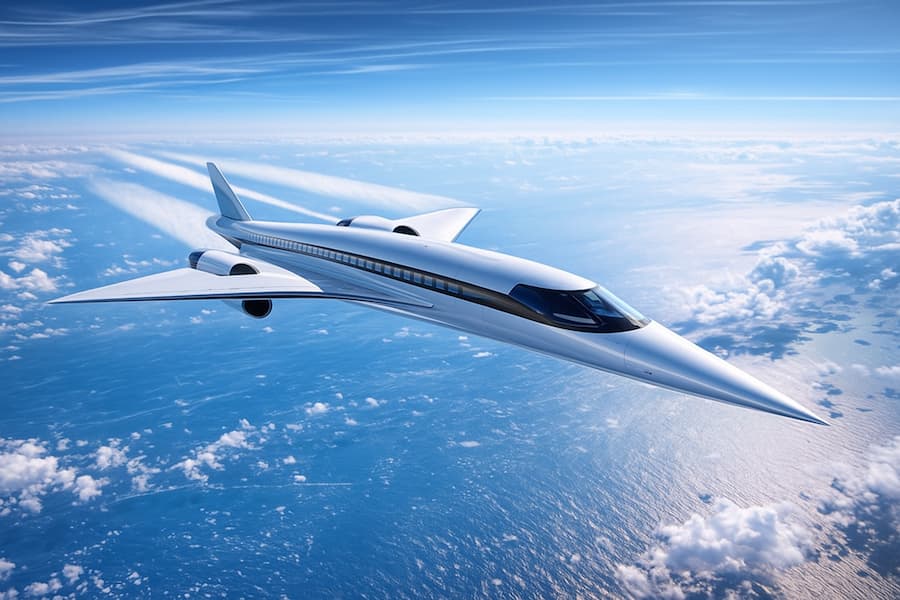
Inside the NFL’s Supersonic Dream…And Why It Might Never Take Off
A 3-hour New York–to–London flight sounds like the future of football. The problem? The technology — and the business model — might not be ready for the NFL.
The NFL wants to go global. London games are sold out every year. Germany has exploded into a top-five international market. Spain, Brazil, Ireland, and Australia are joining the rotation next. But to make the league truly international — with permanent European teams — the NFL would need to solve its biggest obstacle: The brutal travel time!
So when reports surfaced that the league was “quietly keeping tabs” on the next generation of supersonic aircraft, the idea captured imaginations instantly. Imagine:
- New York → London in 3 hours
- Miami → Madrid in 4 hours
- No more overnight flights
- NFL teams are hopping continents as easily as NBA teams move between cities
It sounds futuristic. It sounds logical. But the story is far more complicated.
The Supersonic Boom: What the NFL Hopes For
Boom Supersonic Is Betting $600+ Million on a New Era of Aviation.
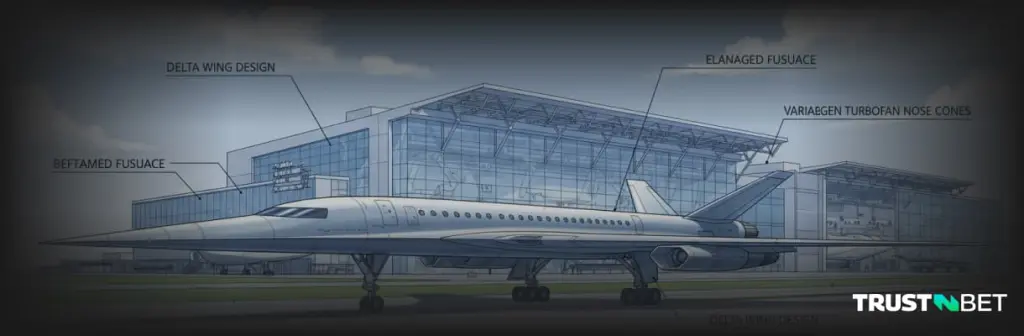
Boom Supersonic is the startup leading the charge to bring back commercial supersonic flight — something the world hasn’t seen since the Concorde retired in 2003.
The company has:
- Raised more than $600 million
- Built and flown a prototype that broke the sound barrier
- Secured preorders from major airlines, including United, American, and Japan Airlines
- Announced its first commercial flights for 2030
The flagship aircraft — the Overture — promises:
- Mach 1.7 speed (about 1,300 mph)
- 60–80 luxury seats
- Transatlantic flights are nearly 50% faster than today
On paper, this solves a huge chunk of the NFL’s logistical nightmares.
NFL road trips would look more like domestic flights, not multi-day time-zone battles.
But that dream runs into the harsh reality of aerospace engineering, sports economics, and risk management.
The Real Story: Why Supersonic Tech May Not Help the NFL at All
1. Boom Still Has Enormous Engineering and Financial Hurdles

Aviation experts are skeptical — and not without reason:
- Most commercial aircraft programs run 2–3x over budget
- Boom lost its engine partner, Rolls-Royce, in 2022
- Every major engine maker (GE, Pratt & Whitney, RR) declined to join
- Building an aircraft and a brand-new engine simultaneously is unprecedented
- Boom may need billions more to reach commercial readiness
The brutal truth: No one has successfully built a new commercial supersonic jet in over 50 years. Even Aerion Supersonic — which raised over $1 billion — collapsed in 2021 before producing a single aircraft.
2. Even If Boom Succeeds, the NFL’s Needs Don’t Match the Aircraft
The Overture will carry 60–80 passengers.
NFL teams travel with 175+ players, coaches, staff, and medical personnel, plus:
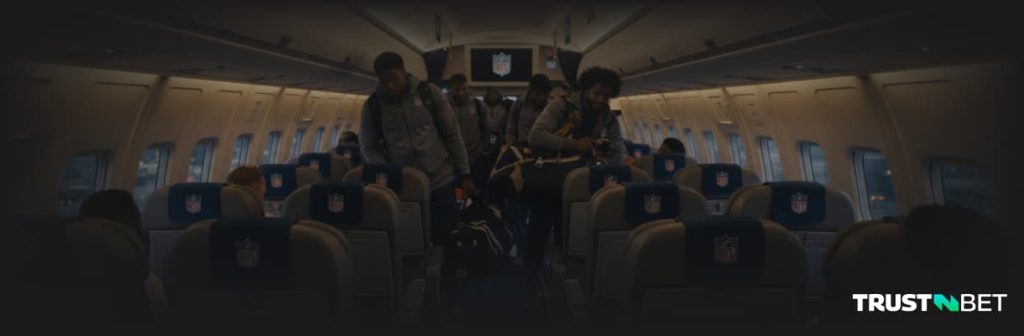
- Training tables
- Recovery gear
- Weights
- Dozens of equipment cases
- Cameras, computers, tablets
- Medical and hydration supplies
The NFL currently uses two Boeing 777-sized charters per team on international trips.
To use the Overture, a team would need:
- Three to four supersonic jets per trip
- Cargo ships to transport equipment weeks in advance
- Additional backup aircraft because of maintenance risks
This isn’t cost-effective or convenient — it’s the opposite.
3. Insurance Would Be a Nightmare
This might be the single biggest barrier. Ensuring a supersonic jet carrying:
- Franchise quarterbacks
- Entire starting lineups
- Coaches
- Medical staff
- Team executives
…would be astronomically expensive. For comparison: A medical malpractice case involving an NFL player recently resulted in $43.5 million in damages. Now multiply that by:
- 53 players
- 20 coaches
- Staff
- Future earnings
A catastrophic incident could lead to $2–5 billion in liability. Most insurers would walk away. Those that remain would charge premiums that NFL owners would balk at.

4. Player Performance and Labor Issues
Supersonic flights cut travel time, but they don’t eliminate:
- Jet lag
- Circadian disruption
- Recovery needs
- Environmental stress
Team doctors still require players to arrive days before kickoff. Then there’s the human side:
- Longer road trips
- Multi-week overseas stretches
- Foreign taxes
- Visa logistics
- Extended time away from families
The NFL Players Association is already skeptical of international expansion.
Supersonic jets won’t magically solve that.
So… Will Supersonic Jets Ever Help the NFL?

Probably not soon — and maybe never. Yes, the idea is sexy. Yes, it makes the NFL look futuristic and globally ambitious. But after examining aviation realities, sports economics, league politics, and player wellbeing: Supersonic travel won’t meaningfully accelerate NFL expansion. The league’s real international strategy is simpler:
- Expand international games to more cities
- Add an 18th regular-season game
- Require every team to play overseas annually
- Sell a massive international TV package worth $1+ billion
That model works with today’s airplanes, budgets, and insurance systems.
Final Take: The NFL Isn’t Waiting for Supersonic Jets — And It Doesn’t Need To

The NFL isn’t going global because of aircraft technology. It’s going global because demand is skyrocketing.
Supersonic flight makes for great headlines — but it’s not the solution to the league’s biggest challenges, at least not in the next decade. For now, the NFL’s supersonic dream is just that: a dream.
Don’t miss what’s next. Follow Sports News U.S.A. for fresh takes, smart breakdowns, and the stories everyone will be talking about tomorrow.
