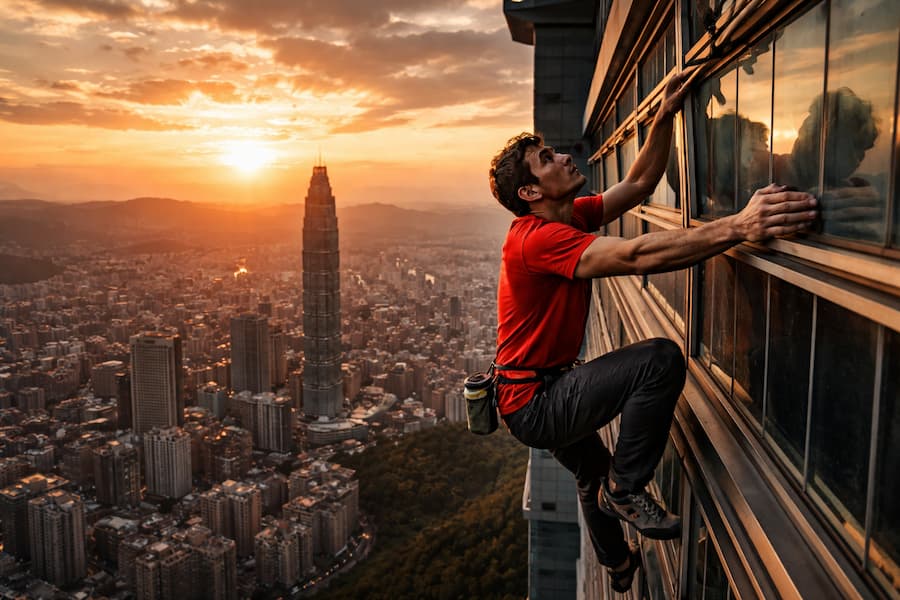
Netflix’s Risky Bet on Alex Honnold’s Viral Climb…and Why It Worked
TL;DR
Netflix turned Alex Honnold’s rope-free climb of a skyscraper into a live global event — not just for the stunt, but to test whether high-risk spectacles can create must-watch moments in the streaming era. The climb felt life-or-death to viewers, sparked ethical debate, and showed how Netflix is betting on attention, controversy, and live “event TV” instead of traditional sports rights.
When Alex Honnold stepped onto the glass-and-steel face of Taipei 101 with no rope, no harness, and no second chances, it felt like the kind of moment you’re not supposed to watch live.
Netflix turned it into appointment TV.
The platform’s decision to stream Honnold’s skyscraper free solo wasn’t just about showcasing a legendary climber. It was a calculated business move — one that leaned into fear, spectacle, and global attention to test how far Netflix can push live events as entertainment.
And for better or worse, it worked.
Key Takeaways
- Netflix turned real danger into appointment TV. The live broadcast created urgency in a world of on-demand content.
- The perceived risk was the product. Viewers experienced the climb as life-or-death, even though it was carefully planned around Honnold’s elite skill level.
- Controversy amplified the reach. Ethical debates about turning extreme risk into entertainment kept the moment trending.
- This was a test run for Netflix’s live-event future. High-impact, one-off spectacles may be cheaper and more globally shareable than sports rights.
- The real bet was on attention, not survival. Netflix wagered that people would believe something could go wrong — and wouldn’t look away.
A Viral Moment Built on Real Stakes
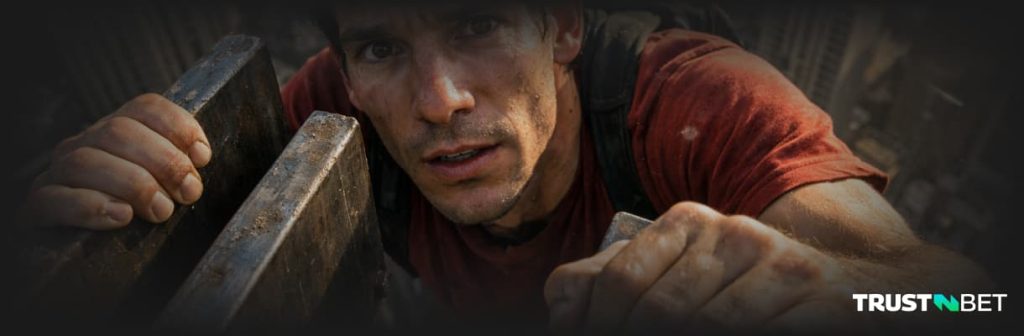
Honnold is already famous for pushing the limits of what humans can do without protection. That reputation is exactly why this climb exploded online. Even people who don’t care about climbing understood the stakes instantly: one mistake, and it’s over.
That simplicity is part of what made the event travel so well across cultures and social feeds. You didn’t need context, stats, or backstory to feel the tension. You just needed eyes and a phone.
For Netflix, that kind of universally understood drama is gold.
Why Netflix Took the Risk in the First Place
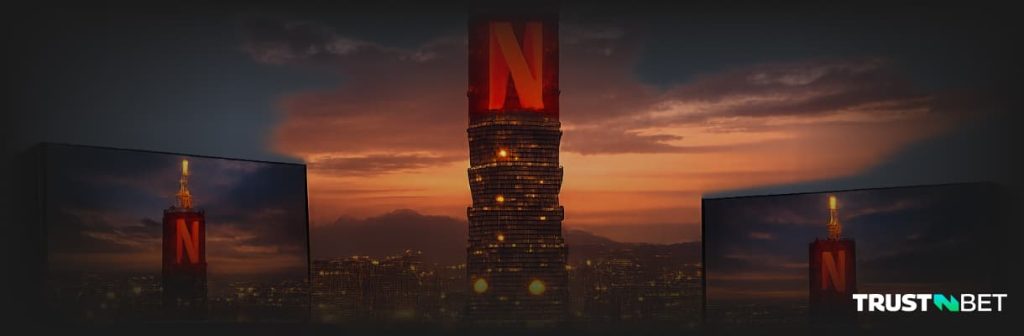
Live events are still a new territory for Netflix. Sports rights are expensive and locked up by competitors. Traditional live TV is losing younger viewers. So Netflix is experimenting with “event TV” — moments that feel urgent, global, and impossible to ignore.
A high-profile free solo climb checks all the boxes:
- Instant stakes: You don’t have to explain why it’s dangerous.
- Built-in virality: Short clips travel fast on social platforms.
- Global appeal: The spectacle translates across languages.
- Brand positioning: It signals Netflix can handle massive live audiences.
From a business standpoint, the climb wasn’t just about views. It was about proving Netflix can manufacture cultural moments in real time.
The Ethics Question Everyone’s Arguing About
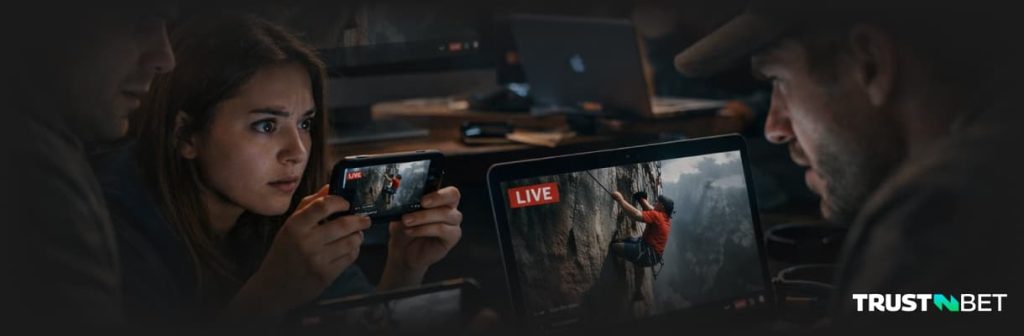
Not everyone was comfortable watching.
Turning a life-or-death stunt into a global broadcast raised real questions:
Is this brave storytelling, or is it exploiting danger for clicks?
Critics argue that packaging extreme risk as entertainment crosses a line. Supporters counter that Honnold chooses these climbs regardless of cameras — and that the broadcast didn’t create the danger, it just revealed it.
That tension is part of why the event drew so much attention. The discomfort became part of the conversation, and controversy fueled even more coverage.
The Perception Gap: Why It Looked Riskier Than It Was

To most viewers, the climb looked impossibly dangerous. To elite climbers, the route was challenging — but not the hardest thing Honnold has ever done.
That gap between how risky it feels and how risky it is for someone at Honnold’s level is where Netflix found leverage.
The platform didn’t need the climb to be the most difficult of his career. It needed the audience to feel like they were watching something that could go wrong at any second. That emotional math — great perceived danger, controlled production risk — is what turned the climb into a global moment.
Why This Matters for Netflix’s Bigger Strategy
This wasn’t just a one-off stunt. It was a signal.
Netflix is testing whether live spectacles can become a repeatable growth engine: cheaper than sports rights, easier to understand than niche competitions, and more shareable than traditional TV.
If these events keep delivering attention, Netflix doesn’t need to outbid networks for leagues. It can build its own “must-watch” moments — one viral spectacle at a time.
The Real Bet Netflix Was Making

In the end, Netflix wasn’t betting on whether Alex Honnold would make it to the top.
They were betting on something else entirely:
That millions of people around the world would believe they were watching something that might go wrong — and wouldn’t be able to look away.
That belief turned a climb into a cultural event.
And for Netflix, that attention was the whole point.
If you’re into the stories behind the headlines: the money, the risk, and the moments that go viral — you’ll love what we’re covering next. Follow Sports News U.S.A for daily sports stories that go deeper than the box score.
