Pickleball Isn’t Just Growing…It’s Becoming a Billion-Dollar Platform
Pickleball was supposed to stay small.
For decades, it lived in retirement communities and public rec centers — a friendly alternative to tennis played with a plastic ball and simple rules. But something unexpected happened: people didn’t just try it. They kept playing it. And frequency, more than popularity, is what turns activities into industries.
Now the companies behind professional pickleball believe they aren’t simply building a sports league. They’re building a fully integrated platform around participation itself.
Explore more U.S. sports news & business coverage, including league expansions, media rights deals, and the forces transforming professional competition.
Key Takeaways
- Pickleball is shifting from a recreational sport to a participation-driven business platform.
- Revenue is built on repeat player activity — bookings, gear, leagues, and memberships.
- Professional tours and amateur play are being connected into one ecosystem.
- The sport’s fast rallies make it highly shareable on modern video feeds.
- New venues are turning courts into social entertainment hubs.
- Long-term value depends on how often people play, not just how many watch.
A TV Moment That Changed Perception
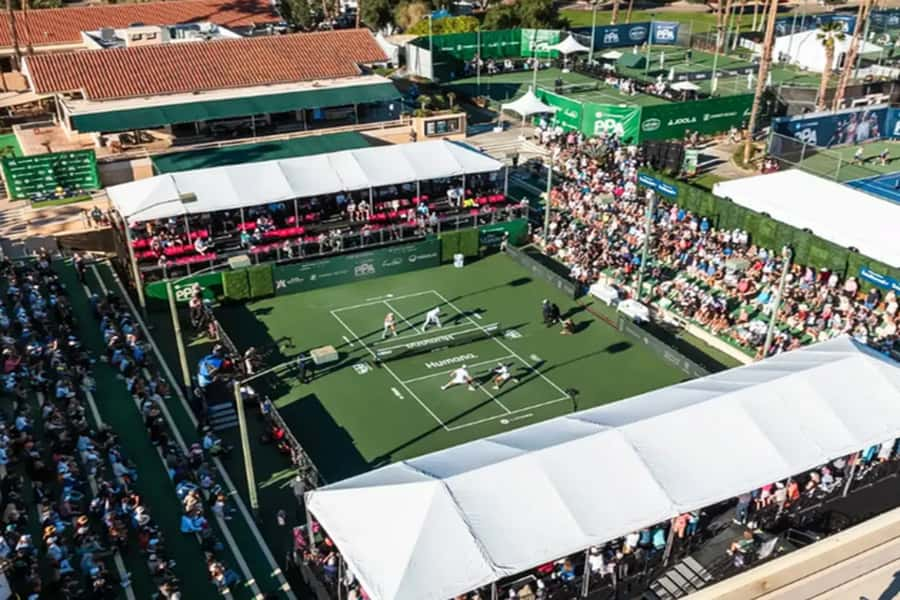
Recently, a national championship broadcast attracted close to 800,000 viewers on network television — without football as a lead-in.
That detail matters.
Emerging sports often rely on large events before them to inflate ratings. When audiences remain after the lead-in disappears, it signals real demand rather than curiosity.
For sponsors and investors, it confirmed that pickleball has crossed an important threshold: people are choosing to watch it, not just stumbling onto it. But television is only part of the story. The bigger opportunity is what happens before the broadcast — in local courts every day.
The Business of Participation
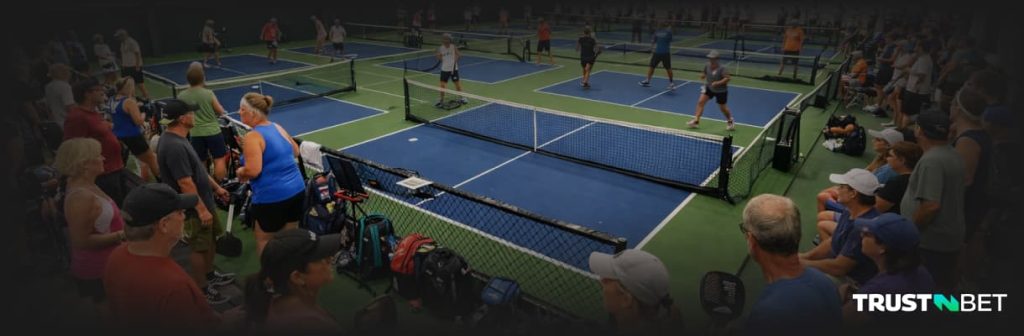
Traditional sports monetize spectators. Pickleball monetizes players.
A basketball fan might watch two games a week.
A pickleball player often plays four times a week.
That difference changes the economics entirely.
Frequent participation produces recurring revenue streams:
- court reservations
- equipment upgrades
- tournament entry fees
- training sessions
- league memberships
Instead of a seasonal business tied to championships, pickleball behaves like a subscription activity — closer to fitness clubs than stadium sports.
From Competing Leagues to Unified Ecosystem
Professional pickleball grew rapidly but chaotically. Separate tours competed for players, raising salaries faster than revenues.
The solution wasn’t expansion. It was a consolidation. By operating under a shared structure, organizers could stabilize contracts, coordinate sponsors, and present a single commercial product to partners.
Yet the larger strategy extends beyond league operations. The goal is to connect every stage of the player journey — recreational and professional — inside one system.
The Platform Strategy
Behind the scenes, investors have been assembling pieces across the sport:
- retail stores selling paddles
- software handling tournament registrations
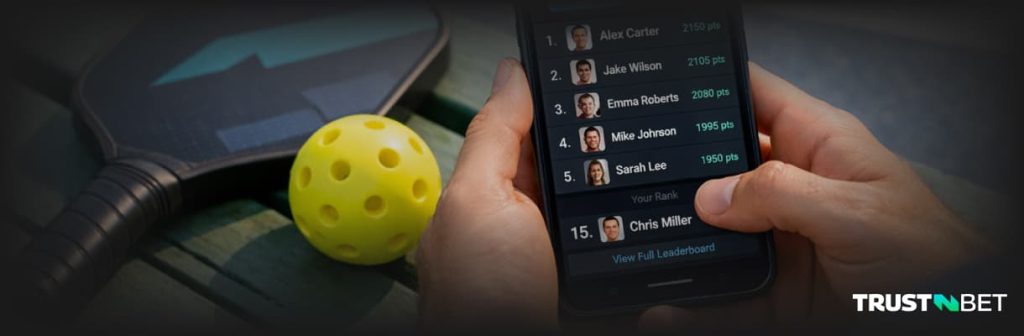
- rating systems tracking player skill
- facilities hosting matches
- media broadcasting professionals
Individually, each business is modest. Together, they form a continuous loop. A beginner learns the game, signs up for events, buys better equipment, tracks progress, and starts following professionals — all within one ecosystem.
- That loop creates retention.
- Retention creates predictable revenue.
- Predictable revenue creates platform value.
Media: Validation, Not the Core Product
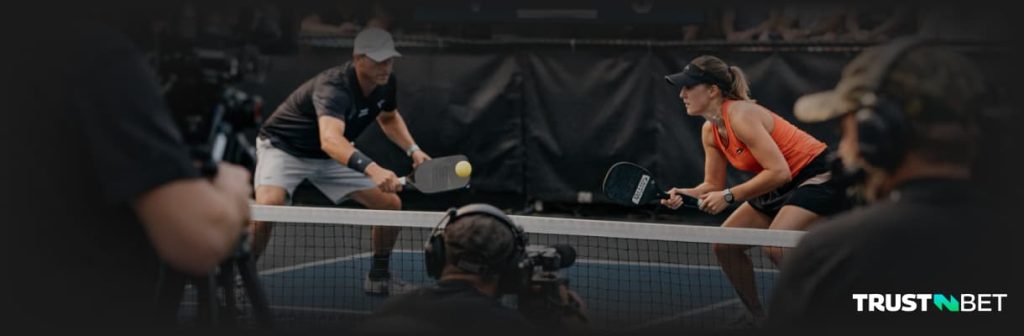
Television ratings still matter because they legitimize the sport to advertisers and cities. But pickleball’s media advantage lies elsewhere: its format fits modern viewing habits.
Points are short, rallies dramatic, and reactions easy to understand without context. A viewer can enjoy a 20-second clip without watching a full match. In the algorithm era, that makes every rally potentially marketing.
Discovery drives participation, and participation feeds viewership — a feedback cycle rare in sports.
The Importance of a Recognizable Season
Despite rapid growth, pickleball lacks clear tentpole events that casual audiences can anticipate. Fans follow sports more easily when calendars are simple — major tournaments that define a season.
Creating a handful of flagship championships could transform scattered viewership into habitual viewing. For sponsors and broadcasters, predictability often matters as much as audience size.
Grassroots Growth as Competitive Advantage
The most powerful part of the strategy isn’t professional play — it’s amateur adoption. Every new player introduces friends, purchases gear, and becomes a potential viewer. Participation itself becomes marketing.
Few sports scale this way because most require expensive facilities or years of training. Pickleball requires neither. That accessibility creates a self-propelling expansion loop.
Courts Become Community Spaces

New pickleball venues increasingly resemble entertainment hubs rather than sports complexes — combining dining, events, leagues, and social areas.
The effect is significant. Players stay longer, return more often, and form communities tied to specific locations.
Professional teams benefit indirectly: local facilities cultivate local fan bases without building massive stadiums. Instead of television markets, the sport grows through neighborhoods.
The Billion-Dollar Thesis
Investors aren’t betting that pickleball becomes the next traditional league.
They’re betting it becomes infrastructure — a daily activity supported by software, media, commerce, and physical spaces.
Revenue would come from everywhere: sponsorships, subscriptions, retail, events, data, and venues. In that model, championships matter less than consistency of play.

What Comes Next
If participation continues expanding, pickleball may represent a shift in how sports businesses scale.
- Historically, leagues monetized attention.
- This one aims to monetize behavior.
That difference explains why backers see more than a trend. They see a network forming around a simple activity people repeat week after week. And in the modern economy, repeated behavior is often more valuable than occasional spectacle.
