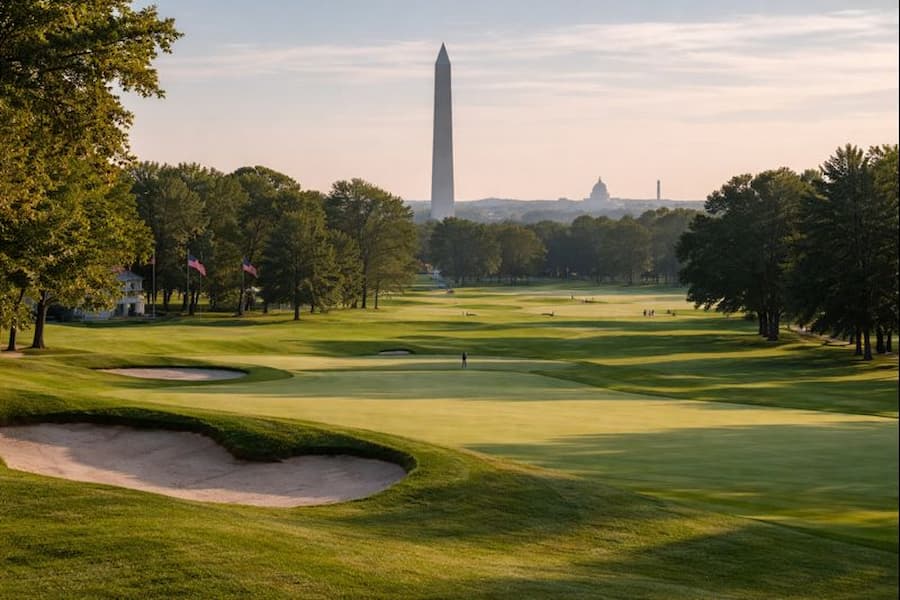
Trump Takes Control of D.C.’s Public Golf Courses…Here’s Why It Matters
For decades, Washington D.C.’s public golf courses have been a rare example of affordable recreation on federally owned land. Now, a move by the Trump administration to take control of those courses is sparking fears that everyday golfers could soon be priced out.
The decision affects Rock Creek Park, East Potomac, and Langston Golf Course — three taxpayer-owned facilities with historic significance that have served local residents for generations. While federal officials say the move is about accountability and improvements, critics warn it could fundamentally change public golf in D.C.
Key Takeaways
- The Trump administration has terminated the 50-year lease held by National Links Trust (NLT), which has managed D.C.’s public golf courses since 2020.
- Rock Creek Park, East Potomac, and Langston Golf Course are affected — all historic, publicly owned facilities.
- NLT disputes the government’s claims of unpaid rent and delayed renovations, saying it invested millions in improvements and expanded community programs.
- Critics fear the takeover could increase green fees, limit access, and reduce youth or community programs, especially at East Potomac.
- The decision raises broader questions about public land management, historic preservation, and the balance between prestige projects and affordability in the nation’s capital.
What Changed at D.C.’s Public Golf Courses
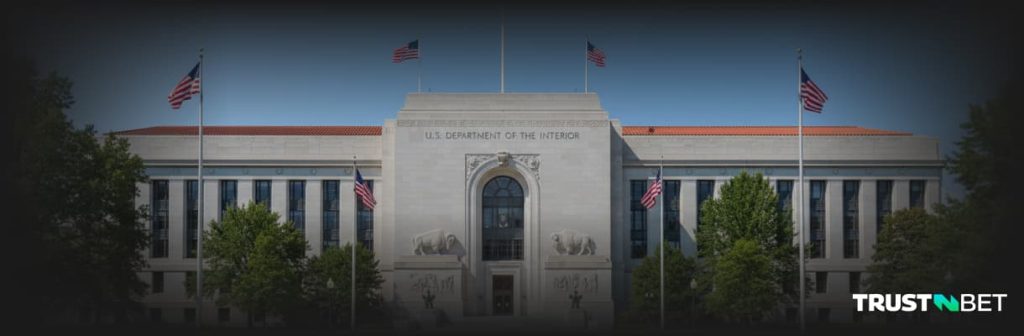
Last week, the U.S. Department of the Interior terminated a 50-year lease held by National Links Trust (NLT), the nonprofit managing the courses since 2020.
The administration cited:
- Delays in required capital improvements
- An allegedly insufficient response to a default notice
- Millions of dollars in unpaid rent
NLT disputes these claims, emphasizing that it invested millions into course upgrades, ran community programs, and followed federal permitting and environmental review rules.
Why These Courses Matter to Local Golfers

These courses are not private clubs; they are public spaces offering affordable green fees and hosting youth programs, school partnerships, and community initiatives.
Langston Golf Course, in particular, holds deep historical significance. When it opened in 1939, it was one of the few courses in the country welcoming Black golfers. All three courses are listed on the National Register of Historic Places, making them cultural landmarks as well as recreational facilities.
For many residents, these courses are among the last affordable ways to play golf in the city.
The Nonprofit Model That Brought Improvements
Before NLT, the National Park Service managed the courses, but limited budgets and competing priorities left facilities aging. In 2019, federal officials sought a long-term partner to improve the courses while keeping them publicly accessible.
NLT’s management included:
- Infrastructure upgrades and repairs
- Installation of new practice technology
- Expanded youth and community programs
- Increased participation and revenue
Supporters argue this model successfully improved the courses while keeping them affordable. Critics within the administration say progress was slower than expected.
Trump’s Focus on Golf and High-Profile Projects

Golf has been a visible part of President Trump’s second term. Beyond professional golf negotiations, the administration has emphasized high-profile projects on public land.
East Potomac Golf Links, near the National Mall, has drawn particular attention for its location and visibility. Sources indicate it could be redeveloped into a championship-level venue capable of hosting major events — a change that could drive up operating costs and fees.
Affordability and Access Concerns
While officials claim local golfers will still have access, golf industry experts warn that championship courses cost significantly more to operate.
Residents worry about:
- Sharp increases in green fees
- Reduced tee time availability
- Cuts to youth and community programs
Even modest price increases could put the courses out of reach for many local players who currently rely on them.
What Happens Next

For now:
- The courses remain open
- Long-term management plans have not been announced
- Legal and administrative challenges are possible
Whether federal control improves facilities or shifts them toward a more exclusive model will depend on decisions still to come.
Why This Matters Beyond Golf

This debate extends beyond fairways. It raises questions about:
- Who controls public land
- How historic spaces are preserved
- Whether affordable recreation survives redevelopment
For D.C. golfers, the outcome could determine whether public golf remains accessible — or becomes a luxury destination in the nation’s capital. Catch all the U.S. sports news that matters, from local updates to national headlines.
