Monaco Grand Prix Secrets Most F1 Fans Never Knew About
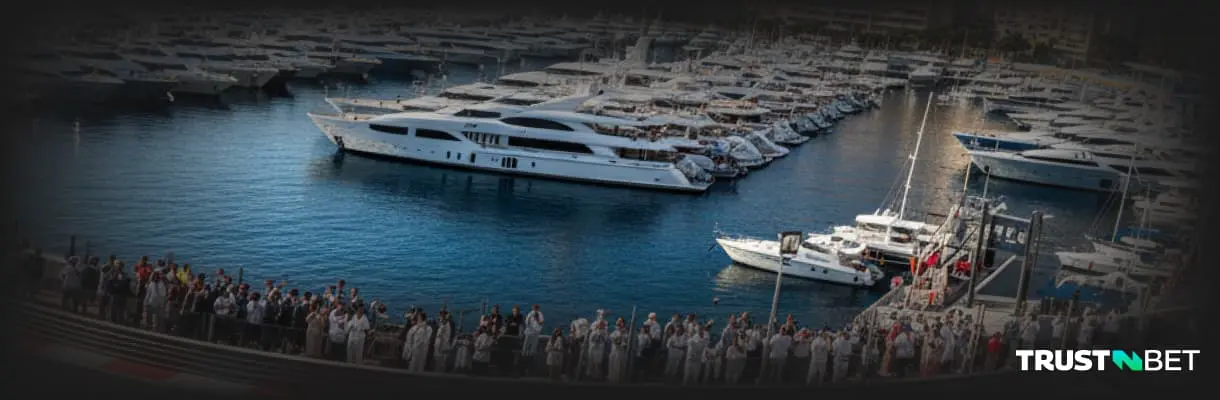
The Monaco Grand Prix is one of the most glamorous sporting events on Earth — but behind the yachts, celebrities, and champagne lies a side of Formula 1 most fans never see.
For one weekend every year, the tiny country of Monaco transforms into motorsport’s ultimate playground, attracting billionaires, royalty, Hollywood stars, and some of the fastest drivers alive.
But what makes Monaco so fascinating isn’t just the race. It’s the hidden infrastructure, astonishing wealth, bizarre traditions, and secretive details that quietly power Formula 1’s most iconic event.
From underwater scuba divers stationed beside the circuit to private apartments rented for jaw-dropping prices, here are the Monaco Grand Prix secrets most fans completely miss.
Key Takeaways
- Monaco rebuilds an entire Formula 1 track every year, installing miles of barriers and thousands of safety features on public streets.
- More than 200 luxury yachts flood Port Hercules during race weekend, with some owners spending over $1 million in total costs.
- Scuba divers are stationed in Monaco’s harbor during sessions in case debris or cars enter the water.
- Formula 1 drivers love Monaco for one major reason: taxes, as the country has no income or capital gains tax.
- Around 400 private jets arrive nearby every Grand Prix weekend, with wealthy guests often taking helicopters into Monaco.
- Workers manually weld manhole covers shut to prevent Formula 1 cars from ripping them out of the road.
- Monaco is Formula 1’s slowest circuit, but many drivers still consider it one of the hardest races to win.
- Red Bull famously floats its massive motorhome into Monaco’s harbor, creating one of Formula 1’s most unique hospitality spaces.
- Despite having Formula 1’s smallest official crowd, Monaco attracts over 200,000 visitors throughout race weekend.
Monaco Rebuilds an Entire Formula 1 Circuit Every Year
Unlike modern Formula 1 venues, Monaco doesn’t have a permanent track. The race takes place on ordinary city streets, meaning workers spend six weeks transforming public roads into Formula 1’s most famous circuit.
More than 15 miles of guardrails, 3,000 protective tires, grandstands, fencing, garages, and hospitality areas are installed before being dismantled after the race weekend.
Because Monaco’s roads remain active, much of the construction happens overnight — and traffic often returns just hours after practice or qualifying sessions end.
F1 Cars Can Literally Rip Manhole Covers Out of the Ground
Hosting Formula 1 on city streets creates problems most race tracks never face. Before race weekend begins, workers manually weld shut every manhole and drain cover across the circuit.
Why? The aerodynamic force underneath Formula 1 cars can actually lift loose metal covers from the road. Fans got a brutal reminder of that danger during the Las Vegas Grand Prix weekend in 2023, when a loose drain cover badly damaged a Ferrari. In Monaco, officials take zero chances.
There Are Scuba Divers in the Water During Sessions
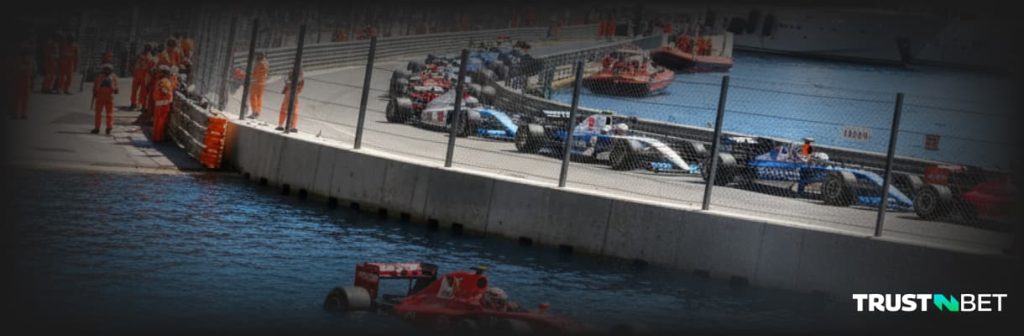
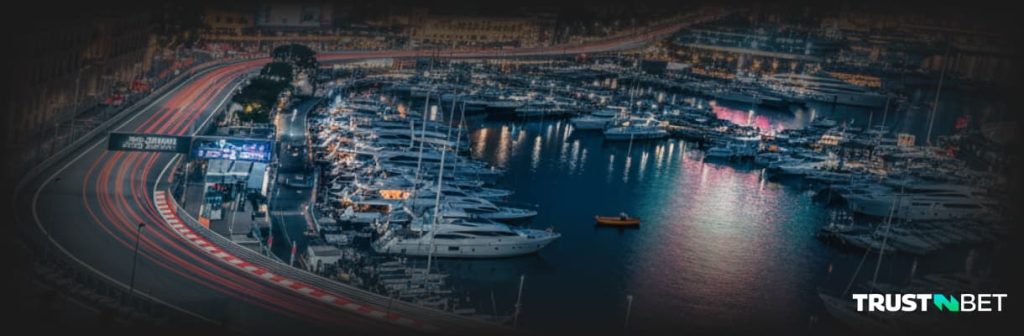
Yes — actual scuba divers wait in the harbor during Monaco Grand Prix sessions. Since parts of the circuit run dangerously close to Port Hercules, divers are placed in the Mediterranean Sea to respond in worst-case scenarios, including debris or even a race car entering the water.
It sounds unbelievable, but Monaco’s unique layout demands unique safety measures. There’s no other Formula 1 race quite like it.
More Than 200 Superyachts Turn Monaco Into a Floating City
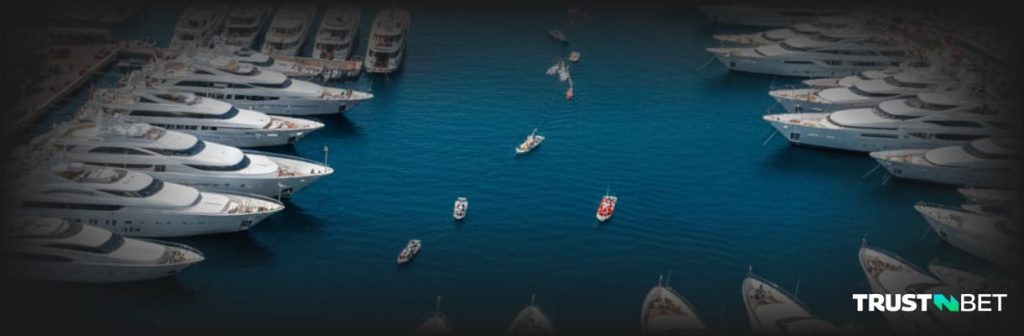
The yachts seen on television are far more than expensive decorations. Every year, more than 200 luxury yachts descend on Monaco for race weekend, with many docking trackside inside Port Hercules.
For the largest vessels, docking fees alone can reportedly exceed six figures — and total weekly expenses often climb past $1 million after fuel, insurance, and crew costs.
Some yachts are so massive they can’t fit into the harbor at all, forcing owners to anchor offshore and arrive by smaller boats.
One yacht frequently spotted during race weekend reportedly costs around $200 million and includes a helipad, pool, theater, spa, and gym.
Monaco’s Tax Rules Quietly Attract Formula 1 Stars
Ever wonder why so many Formula 1 drivers live in Monaco? The answer isn’t just sunshine and luxury. Monaco famously has no income tax, capital gains tax, wealth tax, or property tax, making it one of the world’s most attractive places for ultra-high earners.
That’s why several Formula 1 stars — including past and present champions — have called Monaco home.
Of course, moving there isn’t cheap. Residents typically need property access and proof of major financial resources to qualify.
Over 400 Private Jets Arrive for Race Weekend

The Monaco Grand Prix doesn’t just shut down streets — it floods nearby airports too. Roughly 400 private jets reportedly fly into nearby Nice, France, during Grand Prix weekend.
Since Monaco has no airport of its own, wealthy visitors often skip road traffic entirely by taking seven-minute helicopter rides into the city. For many guests, arriving in Monaco is almost as extravagant as the event itself.
Monaco Has the Smallest Crowd in Formula 1 — Yet Feels Massive
Officially, Monaco’s race-day capacity is only around 37,000 spectators, making it the smallest crowd on the Formula 1 calendar.
But during the race weekend, the tiny country can attract more than 200,000 visitors. That’s because people watch from apartment balconies, rooftops, yachts, restaurants, and public viewing areas all across the city.
In Monaco, the race spills far beyond the circuit.
Red Bull Literally Floats Its Motorhome Into Monaco
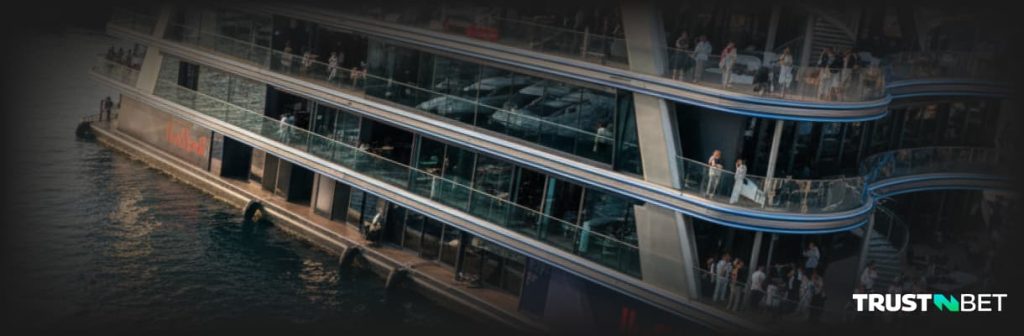
Most Formula 1 teams build motorhomes beside the track. Red Bull does something completely different.
The team reportedly ships its massive hospitality building in pieces to Italy, assembles it onto a floating platform, and tows it into Monaco’s harbor, where it sits during race week.
The result? A floating Formula 1 headquarters, unlike anything else in sports.
Monaco Is Formula 1’s Slowest Track — And One of Its Hardest
Despite Formula 1 cars reaching breathtaking speeds elsewhere, Monaco is actually the slowest circuit on the calendar. Its tight corners and narrow streets limit average speeds to around 100 mph.
But slower doesn’t mean easier. Drivers race inches from barriers with almost no room for mistakes, making Monaco one of the sport’s biggest mental challenges.
One tiny error can destroy an entire weekend instantly.
Why Monaco Still Feels So Different
Critics sometimes argue Monaco lacks overtaking drama. Yet Formula 1 fans keep coming back.
Because Monaco isn’t just a race. It’s luxury, danger, history, engineering, wealth, royalty, and pressure all packed into a country smaller than New York City’s Central Park.
And beneath the glamour lies a fascinating reality many fans never fully see.
Want more breaking updates, trending stories, and major headlines? Stay ahead with the latest Sports News USA coverage, from Formula 1 and the NFL to NBA drama and must-know moments shaping the sports world.
