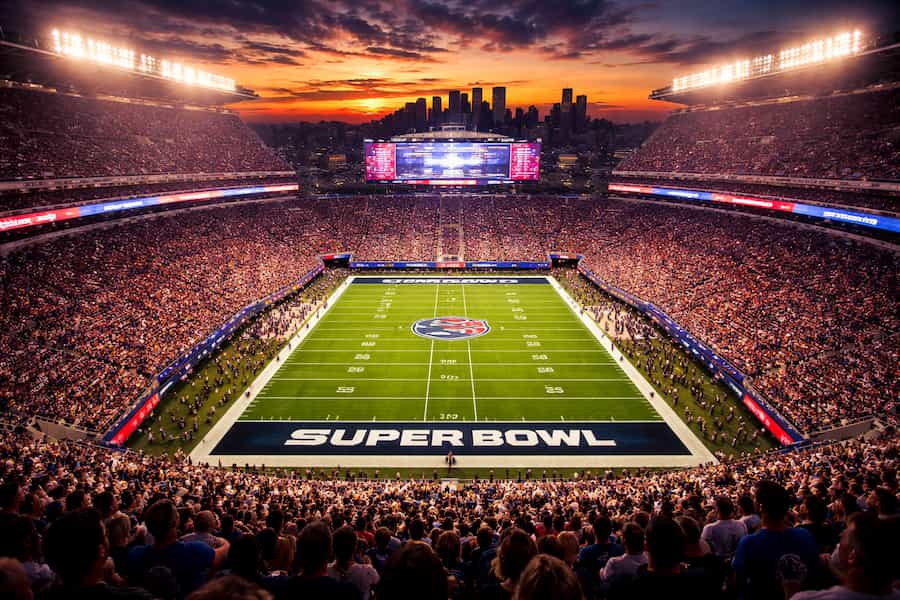
What Cities Really Have to Do to Host the Super Bowl Will Blow Your Mind
The Super Bowl isn’t just the biggest game in football — it’s one of the world’s most lucrative sporting events. Last year, 127.7 million people tuned in, NBC raked in over $700 million from commercials, and luxury suites sold for $1 million or more.
But while fans watch the touchdowns and halftime shows, few realize what cities have to do just to host the NFL’s biggest game. From golf courses to hotel rooms, the league’s requirements read like a billionaire’s wish book — and almost everything comes at no cost to the NFL.
Key Takeaways: The NFL’s Super Bowl Demands
- Cities Foot the Bill: Hosting the Super Bowl isn’t cheap — cities cover hotels, apartments, buses, security, and stadium prep, often costing millions of dollars.
- NFL Controls Everything: Ticket sales, luxury suites, concessions, advertising, and even field conditions are fully controlled by the league.
- Bizarre Requests Are Real: From three championship-level golf courses to 35,000 free parking spaces, NFL demands cover every detail.
- Behind-the-Scenes Logistics: Staff inspections, media parties, and stadium upgrades begin more than a year before kickoff.
- Prestige vs. Costs: Cities host for exposure and tourism revenue, but critics say the financial burden often outweighs the benefits.
- Fan Experience Is Curated: Every detail, from food and beverages to cellular coverage, is designed to give fans a perfect NFL-controlled experience.
Stadium & Game-Day Demands
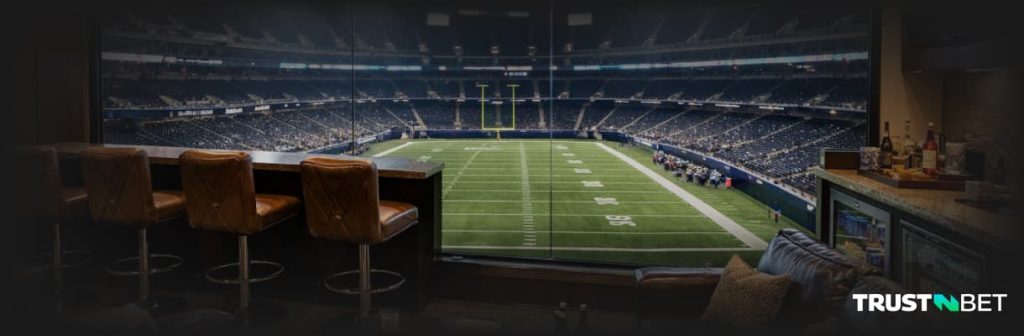
Hosting starts with the stadium itself:
- The NFL gets 54 days of free access — 30 days before the game and 24 days after.
- Must seat at least 70,000 fans, and if the average February temperature is below 50°F, the stadium needs a dome or under-field heating system.
- Ticket revenue is 100% controlled by the NFL. Participating teams receive a small share, while the rest is split among the league and other teams.
- Luxury suites: 50% must go to the NFL, with 75% located between the end zones, including prime spots for top teams, broadcasters, and Commissioner Goodell.
- Even food and beverage are controlled — the NFL can swap stadium brands like Coca-Cola and Heineken for league sponsors.
The league ensures that from the moment fans enter the stadium, everything is under NFL control.
Hotels & Accommodations
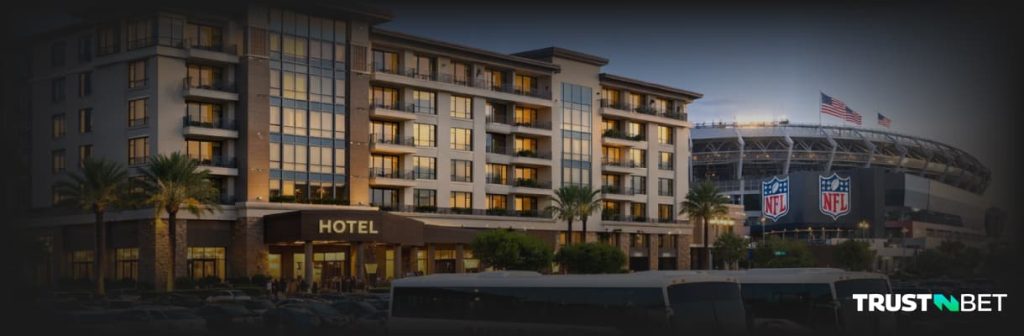
The stadium is just the beginning. Cities must provide:
- 35% of stadium capacity in hotel rooms within a 60-minute drive — for a 75,000-seat stadium, that’s 27,000 rooms.
- Certain rooms must be free for NFL staff, including standard rooms, suites, and presidential suites.
- Apartments for working staff (production, security) with full amenities like Wi-Fi, kitchens, TVs, and gyms for 30–40 day stays.
- Hotels must also televise the NFL Network for a full year before the game.
This ensures the league can control accommodations and the fan experience.
Unexpected & Surprising Requests
Some NFL demands are downright bizarre:
- Three championship-level golf courses and two bowling alleys for charity events.
- Rental cars, buses, and limousines — all new, paid for by the city.
- 35,000 free parking spaces within a mile of the stadium.
- The stadium’s natural grass field must be re-sodded and removed, with pieces going to the NFL as licensed products.
- Stadium cellular service must meet NFL standards, with temporary towers installed if needed.
From logistics to luxury, the league literally dictates every detail of the event.
Costs & Controversy
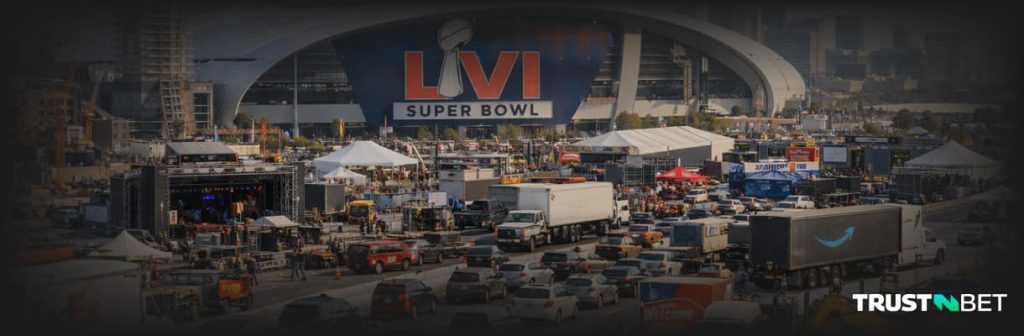
Hosting a Super Bowl isn’t cheap. Cities must cover:
- Staff trips — the NFL sends 180 people 16 months before the game for inspections.
- Security, law enforcement, and emergency services.
- Media parties, airport retail spaces, decorations, and insurance.
In exchange, cities hope to earn tourism dollars, branding exposure, and national prestige. But critics argue the financial burden often outweighs the benefits, with the NFL maintaining nearly all the leverage.
Behind the Scenes of America’s Biggest Game
The Super Bowl is the pinnacle of American football — but behind the touchdowns, halftime shows, and million-dollar commercials, it’s also one of the most one-sided business deals in sports.
Next time you watch the game, remember: cities aren’t just hosting — they’re buying a front-row seat to the NFL’s empire.
Sports fans, here’s your go-to spot for everything happening across the U.S.A.! Scores, news, and behind-the-scenes updates — check sports news U.S.A and stay ahead of the game!
